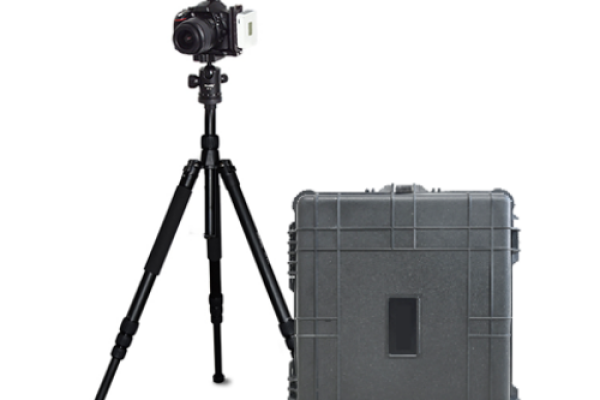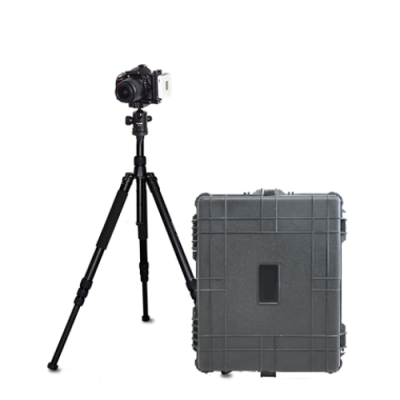

Solar irradiance is a core basic parameter for measuring photovoltaic power generation performance, correcting IV curve standards, evaluating power generation of power stations, and surveying optical resources. Deviation in irradiance measurement data can directly lead to distortion in component power determination and inaccurate calculation of power station revenue. Traditional simple irradiation equipment has low accuracy, severe temperature drift, and large numerical fluctuations in outdoor high and low temperature environments. Large desktop irradiation instruments are inconvenient to carry and cannot adapt to rapid sampling on rooftops, mountains, and distributed project sites. Jiangsu Jingwei Technology has launched the JW-F04 portable irradiance meter, which uses an A-level high-precision irradiance sensing chip and is equipped with a temperature automatic compensation algorithm. With a compact and portable body and all-weather stable measurement capability, it has become a standard instrument for photovoltaic IV testing, power plant resource survey, and component performance verification. Portable irradiation system dosimeter
All on-site performance testing in the photovoltaic industry cannot be separated from precise irradiation data support: when the IV tester completes component testing, it needs to synchronously collect real-time irradiation and backplate temperature conversion to STC standard power; Prior to the construction of a new photovoltaic project, a survey of light resources is required to continuously collect radiation data throughout the day to evaluate the potential for power generation at the site; Compare the power generation at different time periods during the operation and maintenance process, and determine whether the component attenuation is normal based on the irradiation value; Third party testing institutions issue authoritative reports, and the accuracy of irradiation measurement is a mandatory requirement for metrological compliance. JW-F04 is benchmarked against the international Class-A radiation meter standard. The core sensor adopts high-precision thermoelectric induction elements, and the spectral response matches the AM1.5 standard solar spectrum. The total radiation measurement range is 0-2000W/㎡, and the measurement accuracy is better than ± 2%. Compared with ordinary civilian radiation equipment, the accuracy is doubled. It can accurately capture the numerical values of full light scenarios such as weak light in the morning, strong light at noon, and scattered radiation on cloudy days, eliminating measurement errors caused by data drift.
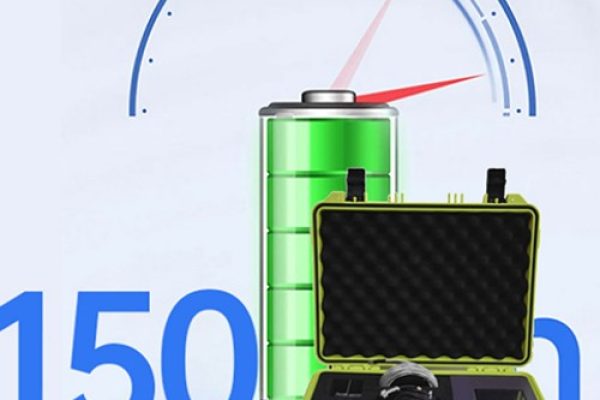
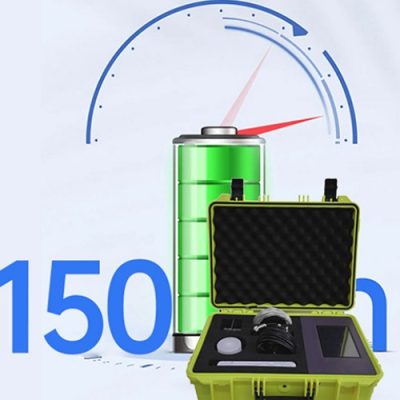
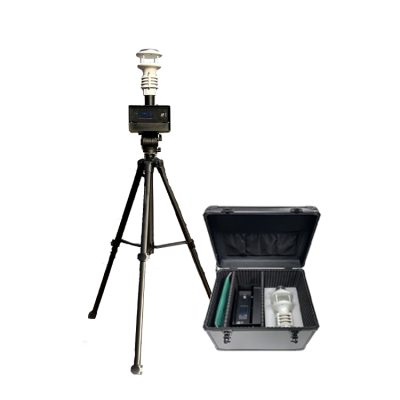
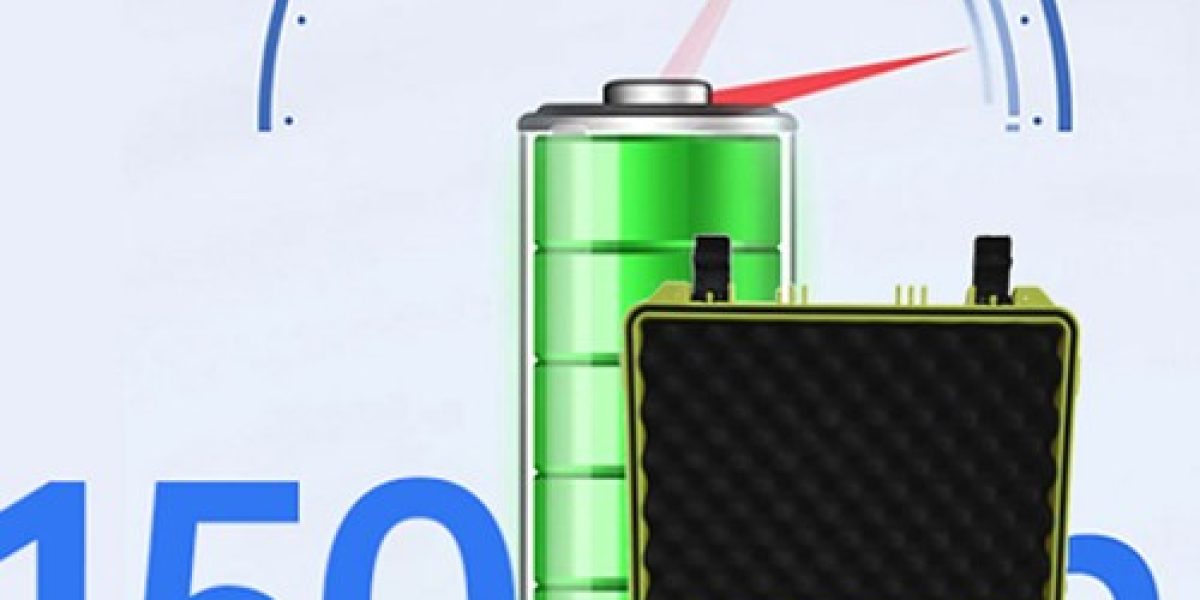
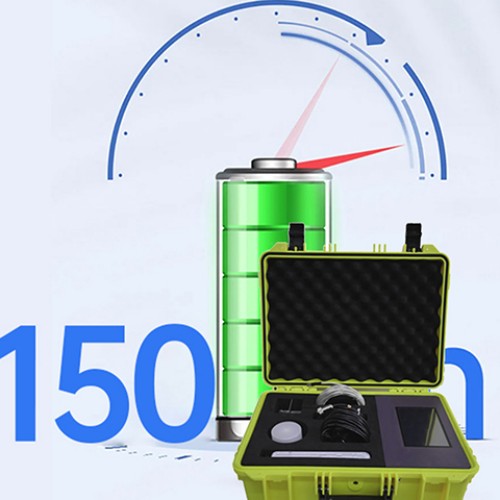
The device fully meets the needs of outdoor mobile detection, with an integrated and compact design. The host size is only 1207530mm, weighing less than 500g, and comes with an anti slip back clip that can be fixed to the component frame. It can be easily placed in a portable storage bag for tool kits, and maintenance personnel can go out for inspections without additional carrying burdens. The sensor probe and host are designed with separate wiring, and a 3-meter extended shielded signal line is compatible with components of different heights. The bottom of the probe is equipped with a horizontal adjustment bubble meter, which can quickly calibrate the horizontal angle and eliminate radiation acquisition deviation caused by tilt; Equipped with a magnetic base and telescopic bracket, it can be fixed to photovoltaic arrays and meteorological monitoring points for long-term continuous sampling, meeting the dual needs of short-term on-site detection and long-term light resource monitoring. Equipped with a large capacity rechargeable lithium battery and a low-power circuit design, it can continuously collect data for 72 hours on a single full charge without frequent charging. Remote and unpowered photovoltaic fields can complete full day irradiation data recording.
For outdoor complex temperature and humidity environments, JW-F04 is equipped with a built-in temperature sensor and intelligent temperature drift compensation algorithm, which can synchronously collect environmental temperature and component backplane temperature, automatically correct the numerical deviation of sensing elements under high and low temperatures, and maintain measurement stability in the extreme temperature range of -30 ℃ to 70 ℃, without fear of summer exposure, winter cold, and coastal high humidity environment interference. The device is equipped with a 2.4-inch high-definition LCD display screen, which displays real-time four core data: instantaneous irradiance, cumulative irradiance, environmental temperature, and sampling duration. It supports two modes: manual single point sampling and timed automatic continuous recording. The sampling interval can be freely set between 1-60 minutes, and tens of thousands of historical data can be stored locally. It can be exported to a computer through a Type-C interface to generate a data table, and the original records of light resource monitoring can be fully retained, providing reliable data support for project feasibility studies and power station operation and maintenance reports.
As a core instrument for photovoltaic detection, JW-F04 can perfectly link with Jiangsu Jingwei JW-IV12 portable IV tester. The two can wirelessly exchange data, synchronously retrieve real-time irradiation and temperature data when detecting IV curves, and automatically complete STC standard conversion without manual parameter input, greatly simplifying the on-site detection process and reducing human operation errors. Equipment application scenarios cover the entire industry chain: photovoltaic module laboratory performance calibration, factory factory factory power grading; Distributed roof and household photovoltaic on-site acceptance supporting IV testing; Preliminary survey of light resources for mountain, Gobi, and fishery solar complementary power stations; Comparative analysis of annual operation and maintenance irradiation power generation of existing power stations; Standardized supporting equipment for third-party metrology and testing institutions. The whole machine has a protection level of IP54, is dust-proof and splash proof, and can work normally in sudden light rain and sandstorm weather outdoors. The anti drop shell can withstand construction site collisions and has a service life far exceeding that of similar portable devices.
The Jiangsu Jingwei Technology R&D team stated that the original intention of developing JW-F04 is to solve the common pain points of insufficient accuracy and poor environmental adaptability of portable irradiation equipment in the industry. Based on years of accumulation of photovoltaic sensing technology, it balances high precision and portability, and creates a cost-effective domestic professional irradiation measurement equipment. With the continuous deepening of precision operation of photovoltaics, accurate light energy data has become an important basis for cost reduction and efficiency improvement in power plants. The JW-F04 portable irradiance meter will continue to provide accurate data support for photovoltaic module detection, light resource evaluation, and smart power plant data analysis, helping to accelerate the domestic substitution process of photovoltaic detection instruments.
Portable irradiation system thermometer, portable photovoltaic PR testing system, photovoltaic performance evaluation tool