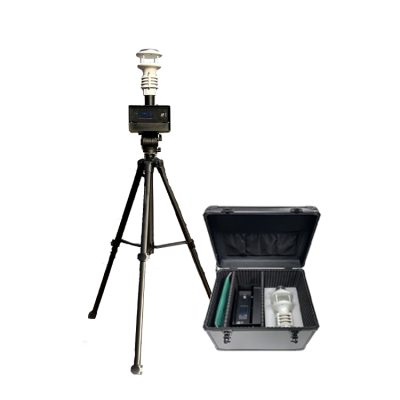


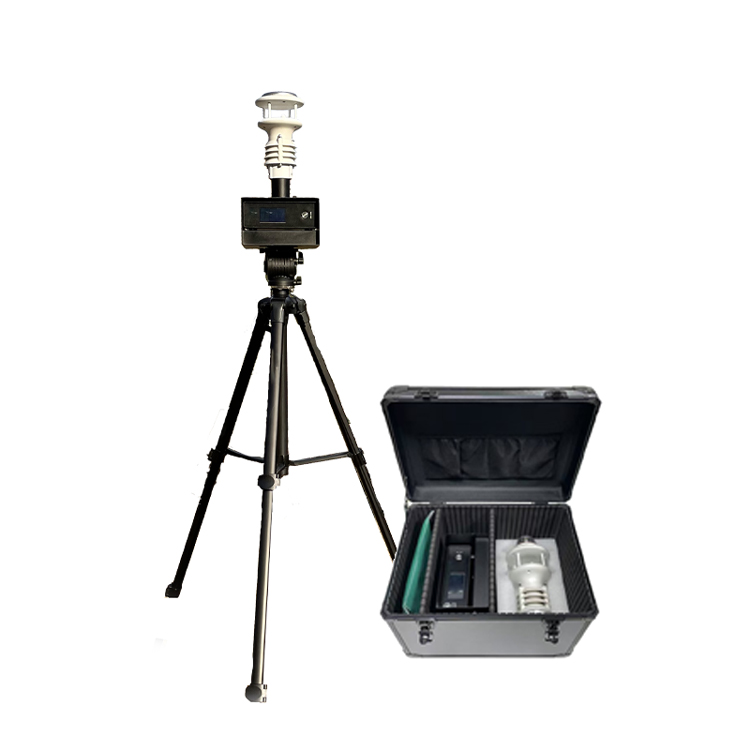
The photovoltaic power generation is highly linked to meteorological factors such as light, temperature and humidity, wind speed, and atmospheric pressure. Accurate and continuous environmental monitoring data is the core support for power plant power prediction, power generation analysis, extreme weather warning, and project energy efficiency evaluation. Traditional simple weather station sensors have insufficient accuracy and low protection levels, and long-term operation in the field is prone to data drift and equipment damage. General meteorological equipment lacks photovoltaic dedicated backplate temperature and scattered radiation monitoring modules, which cannot meet the requirements of photovoltaic precision operation. Jiangsu Jingwei Technology has launched the JW-Q56 integrated photovoltaic dedicated weather station, which integrates high-precision sensing units of all elements in the photovoltaic industry, and is equipped with IoT wireless transmission and industrial grade weather resistant body. It provides a 24/7 intelligent environmental monitoring solution for centralized ground, distributed industrial and commercial, fishery photovoltaic complementary, and mountain photovoltaic projects. Photovoltaic dedicated meteorological station
JW-Q56 focuses on the core monitoring requirements of photovoltaic power plants and integrates eight professional sensing modules. It can synchronously collect seven key parameters in real time, including total solar radiation, scattered radiation, module back panel temperature, environmental temperature and humidity, wind speed and direction, atmospheric pressure, and precipitation. It is equipped with ultraviolet radiation and snow thickness sensors to fully cover all meteorological indicators required for photovoltaic power prediction. The core radiation sensor adopts A-level thermoelectric elements, with spectrum matching AM1.5 standard and radiation measurement accuracy of ± 2%; The temperature sensor has an accuracy of ± 0.3 ℃, and the wind speed adopts a non mechanical ultrasonic sensing structure, eliminating the problem of traditional mechanical bearing wear. It can stably collect data at ultra-low starting wind speeds, and has no mechanical faults during long-term field operation. The data stability far exceeds that of traditional mechanical anemometers. The equipment is equipped with Jingwei's self-developed environmental compensation algorithm, which automatically eliminates data deviation caused by high temperature exposure, low temperature frost, and sand and dust obstruction. It collects high-frequency data at the minute level and fully restores the environmental change curve of the site throughout the day, providing authoritative raw data for benchmarking and attenuation analysis of power generation in power plants.
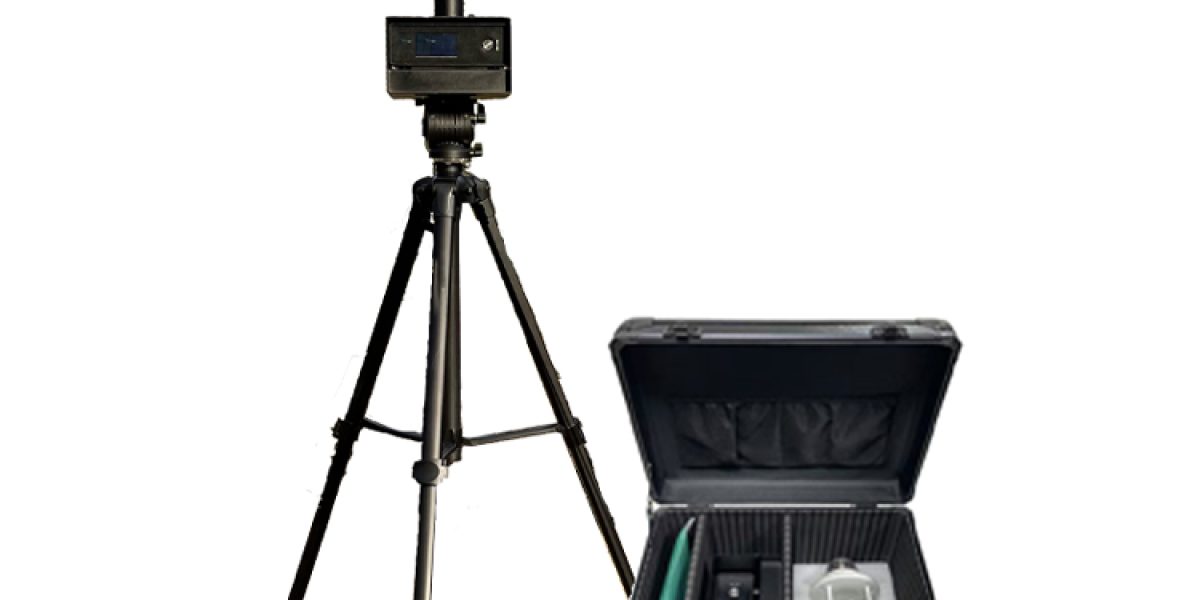
The equipment installation and layout are flexible and convenient, adopting a modular integrated architecture, without the need for complex separate assembly. It comes standard with a 3-meter-high high-strength galvanized installation pole, which is corrosion-resistant and rust resistant and suitable for long-term outdoor installation; Power supply supports dual mode complementarity of solar photovoltaic panels and built-in lithium batteries. Remote Gobi and mountainous photovoltaic fields without external power supply can operate independently throughout the year, reducing wiring construction costs and line failure risks. The data transmission is compatible with 4G/5G wireless and RS485 wired dual channels. Real time monitoring data is automatically uploaded to Jiangsu Jingwei Smart Photovoltaic Cloud Platform. Operation and maintenance personnel can view real-time meteorological parameters, historical trend curves, monthly and annual statistical reports anytime and anywhere through computer web pages and mobile mini programs. The platform automatically generates a comparative analysis report of irradiation power generation, intuitively judging the attenuation of component power generation and optimizing the operation and maintenance scheduling strategy of the power station. The system has a built-in intelligent early warning mechanism. When dangerous weather, such as strong wind, rainstorm, extreme high temperature, thunder and lightning, is monitored, SMS and APP alarm notifications will be immediately pushed. The operation and maintenance team can carry out component reinforcement and line patrol inspection in advance to reduce equipment damage and power loss caused by extreme weather.
The whole machine adopts ASA weather resistant polymer material integrated packaging, with a protection level of IP67, which can resist strong rainfall, sand and dust, and coastal salt spray erosion. The working temperature range is -40 ℃ to 85 ℃, and it can operate stably in all regional scenarios such as northwest Gobi, northeast extreme cold, southern rainy, and offshore floating photovoltaics. It is free of frequent maintenance throughout the year, greatly reducing the manpower investment in station operation and maintenance. The collection host has built-in large capacity local storage, which can cache monitoring data for more than six months in a disconnected state. After the network is restored, it will be automatically transmitted to the cloud to prevent data loss; Support local data export, standard Modbus protocol docking with third-party photovoltaic operation and maintenance platforms, compatible with mainstream inverters and energy storage monitoring systems in the market, achieving integrated linkage analysis of meteorological and power generation data, and adapting to the digital construction needs of large smart photovoltaic power stations.
JW-Q56 covers various application scenarios in the photovoltaic industry: preliminary light resource survey for new photovoltaic projects, continuous collection of annual meteorological data to evaluate site power generation potential; Grid based environmental monitoring of large-scale centralized power stations, optimizing power prediction accuracy, and reducing power grid dispatch power deviation losses; Industrial and commercial distributed photovoltaic energy efficiency benchmarking, distinguishing between changes in power generation caused by meteorological fluctuations and component attenuation; Environmental reliability experiment of photovoltaic modules in research institutes, long-term monitoring of module performance changes under different temperature and light conditions; All-weather meteorological disaster warning for special photovoltaic fields that complement marine and fishery photovoltaics. The entire set of equipment has completed full parameter calibration before leaving the factory. After arrival, it can be easily fixed with a pole and powered on before being put into use. It comes with a complete installation manual and remote debugging technical support, reducing the technical threshold for customer deployment.
Jiangsu Jingwei stated that with the transformation of the photovoltaic industry towards digitalization and intelligent operation and maintenance, high-precision meteorological monitoring equipment has become a standard configuration for power stations. The JW-Q56 photovoltaic dedicated meteorological station integrates high-precision sensing, IoT transmission, and cloud data analysis capabilities, solving the industry pain points of poor accuracy, weak adaptability, and tedious maintenance of traditional monitoring equipment. In the future, enterprises will continue to iterate meteorological monitoring algorithms, deepen data exchange with photovoltaic IV, EL, and insulation detection equipment, create an integrated detection and monitoring system for the entire photovoltaic process, empower the refined operation of the clean energy industry with domestically produced smart monitoring equipment, and help photovoltaic power plants improve power generation revenue and reduce operating costs.