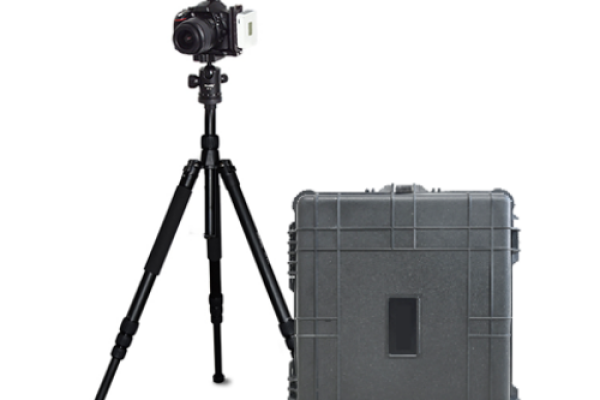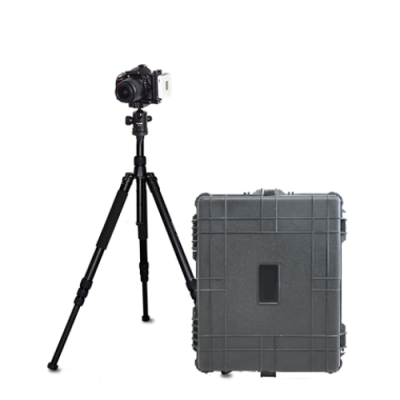

Solar irradiance is a core basic parameter for photovoltaic module power calculation, power generation evaluation, power station acceptance, and resource survey. The measurement accuracy directly determines the compliance of detection data and the accuracy of power station revenue calculation. There are common pain points in the current industry, such as spectral mismatch of ordinary irradiance meters, large temperature drift errors, single horizontal plane measurement, and inability to synchronize collection with IV equipment. Manually separating the recording of irradiance and electrical performance data can easily lead to deviations in the conversion process, which cannot meet the high standard requirements of third-party metrology and grid integration acceptance. Jiangsu Jingwei relies on the accumulation of precision thermopile sensing and intelligent compensation algorithm technology to launch the JW-F04 portable irradiance meter, which adopts a secondary standard photovoltaic sensor to achieve multi parameter synchronous acquisition, slope fitting measurement, intelligent working condition conversion, and ultra long endurance portable operation. It has become an indispensable benchmark measurement equipment for photovoltaic surveying, quality inspection, operation and maintenance, and measurement testing. Portable irradiation system dosimeter
The JW-F04 core sensor adopts a second level standard thermopile induction chip calibrated by the National Institute of Metrology. The spectral response curve accurately matches the AM1.5G standard photovoltaic spectrum, perfectly fitting the photosensitive bands of crystalline silicon, TOPCon, and HJT components, eliminating system measurement errors caused by spectral mismatch from the root. The overall measurement accuracy of the whole machine is better than ± 2%, reaching the first level standard of photovoltaic industry measurement and testing. The collected data can be directly written into the formal acceptance and testing report, with complete measurement compliance effectiveness. The irradiance measurement range of the device covers 0-2000W/㎡, fully covering scenes from cloudy and weak light in the morning to strong and bright light in the noon. The resolution is as high as 0.1W/㎡, which can accurately capture instantaneous fluctuations in lighting and adapt to precise retesting of component power in low light environments. Built in multi-dimensional intelligent compensation algorithm, real-time collection of environmental temperature and humidity, automatic correction of sensor zero drift caused by changes in high and low temperatures and air humidity, maintaining measurement stability in the extreme temperature range of -30 ℃ to 70 ℃, solving the problem of inaccurate data in ordinary radiation meters under high temperature exposure and low temperature and severe cold.
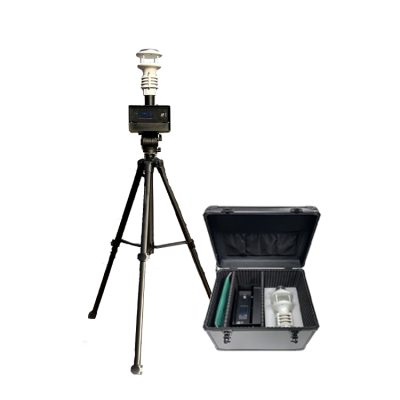
Different from the single horizontal measurement equipment on the market, JW-F04 supports dual-mode measurement of total horizontal irradiation and component slope irradiation. It is equipped with a multi angle adjustable aluminum alloy installation bracket, and the sensor can synchronously collect the tilt angle of the photovoltaic module to restore the real working lighting environment of the component. Compared with only horizontal measurement equipment, it greatly reduces the on-site STC standard power conversion deviation and greatly improves the accuracy of IV curve testing supporting data. The device is equipped with a reserved wireless linkage interface, which can be wirelessly paired with Jiangsu Jingwei JW-IV12 portable IV tester. With one click synchronization, it can collect irradiance, component temperature, and component electrical performance parameters at the same time. The system automatically completes the power conversion from on-site working conditions to standard testing conditions, eliminating manual data copying and calculation steps, eliminating human operation errors, and improving the efficiency of batch acceptance and component sampling in power plants by more than twice.
The device integrates multi parameter synchronous monitoring capability, which synchronously collects five key parameters including scattered radiation, reflected radiation, ambient temperature, and component backplane temperature in addition to core irradiance. One set of equipment replaces multiple single monitoring instruments, simplifying the number of outdoor portable devices. Built in professional data analysis program, automatically records the radiation change curve, peak sunshine duration, and daily cumulative radiation amount throughout the day, and intuitively outputs a report on the distribution characteristics of site light energy. It provides scientific and quantitative basis for the early site selection, component inclination optimization, installed capacity ratio, and power generation prediction of photovoltaic power plants, and is the core tool for resource survey in the early stage of photovoltaic projects.
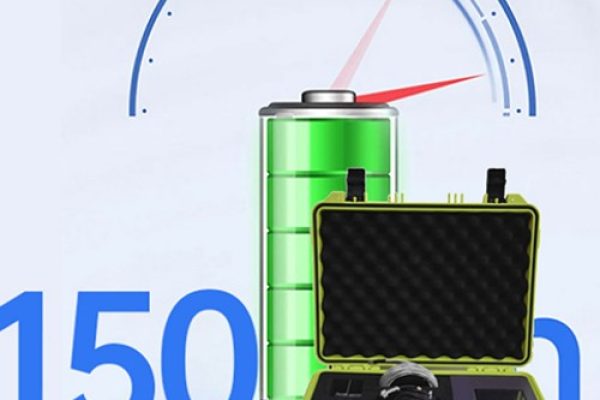
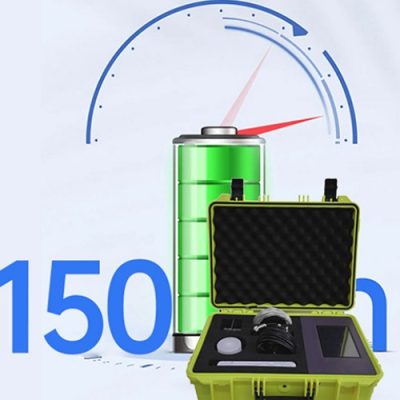
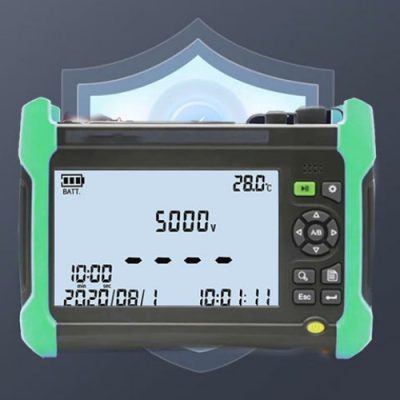
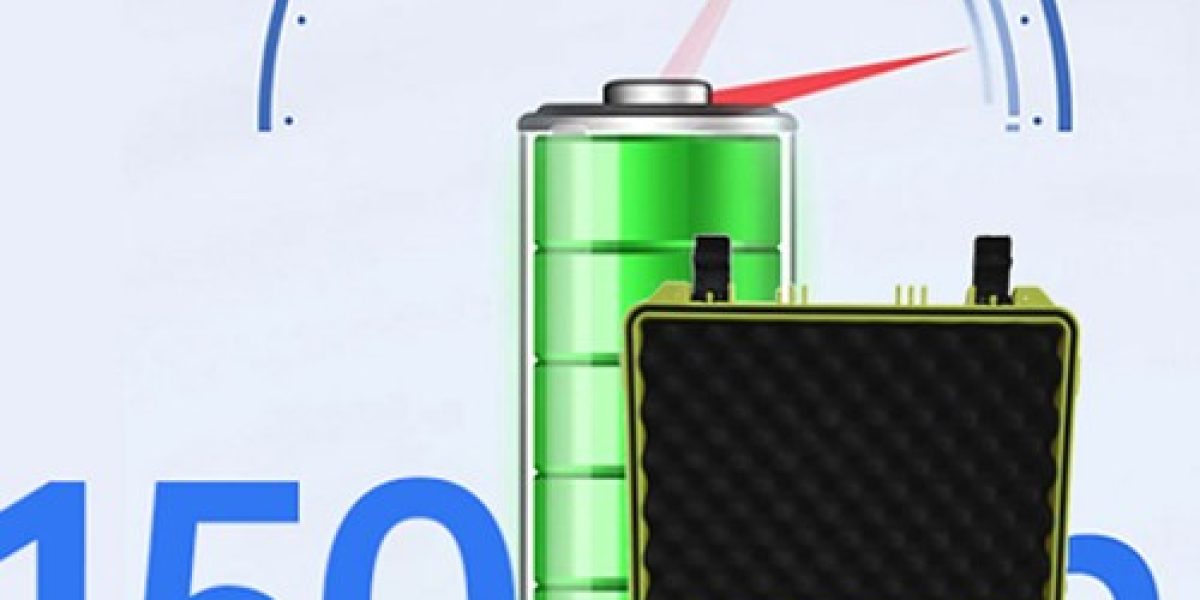
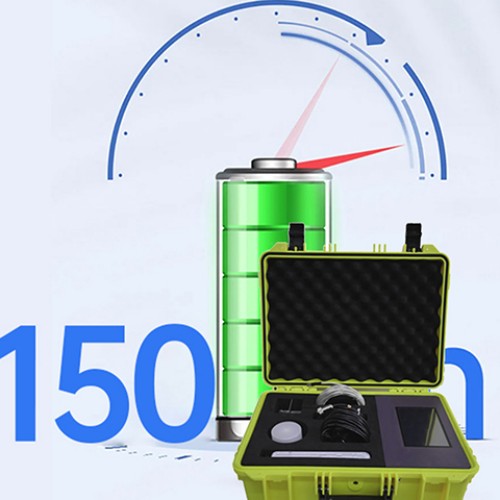
Lightweight and portable structure suitable for all outdoor operations, the overall weight of the host is only 3.2kg, and it is equipped with a shockproof portable protective box. It can be transported by a single person's hand, and can be quickly installed at various locations such as roofs, mountains, water-based photovoltaics, and desert areas; 4.3-inch outdoor high brightness OLED display screen, with clear and readable numerical values under strong light, a minimalist Chinese operation panel, one click start stop acquisition, data locking, curve viewing, and no learning threshold for operation. The power supply adopts replaceable large capacity lithium batteries, which can be continuously monitored for 72 hours without interruption when fully charged. Remote survey sites without mains power do not require external power supply; Supports timed automatic storage and continuous recording mode, with a local storage capacity that can store annual radiation monitoring data. The USB interface allows for one click export of raw data in Excel format, making it easy for later data analysis and report preparation.
Application scenarios cover the entire photovoltaic industry chain: in the early survey stage of photovoltaic projects, it is used for site light energy resource survey, comparing different plots of sunshine conditions, and optimizing power station layout; In the quality inspection process of component production, cooperate with the IV tester to complete the retesting of the standard power of the finished product, and strictly control the factory power tolerance; Photovoltaic engineering grid connection acceptance, as an official irradiation measurement benchmark equipment, issuing compliant illumination data to complete power station performance verification; During the operation and maintenance phase of existing power stations, long-term monitoring of array lighting distribution is carried out to compare the difference between theoretical and actual power generation, and to identify issues such as obstruction and component attenuation; Third party metrology and testing institutions, as well as university research laboratories, conduct experimental research on photovoltaic photovoltaic conversion as standard measuring instruments.
Jiangsu Jingwei has always adhered to independent research and development of sensing core technology. JW-F04 sensors, compensation algorithms, and data acquisition modules are all independently developed and produced, eliminating dependence on imported sensing components and significantly reducing equipment procurement and post calibration maintenance costs. Each device comes with an original measurement calibration certificate upon leaving the factory, supporting annual on-site calibration services to ensure long-term measurement accuracy stability. Under the trend of standardization and refinement in the photovoltaic industry, the JW-F04 portable irradiance meter fills the gap in the high-end market of domestic portable irradiance measurement equipment with high precision, multifunctionality, and strong adaptability. It provides reliable illumination data benchmarks for the entire process of photovoltaic testing, helps photovoltaic power plants achieve accurate measurement, improve quality and efficiency, and promotes the unified implementation of industry testing standards.
Portable irradiation system thermometer, portable photovoltaic PR testing system, photovoltaic performance evaluation tool