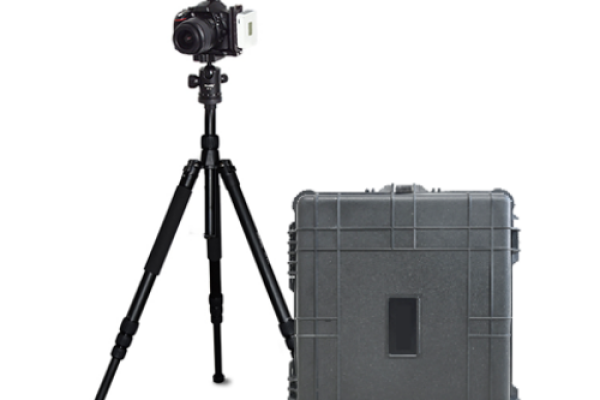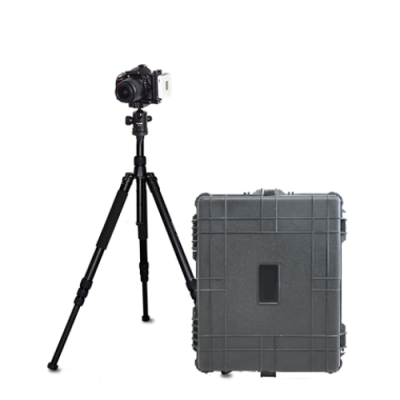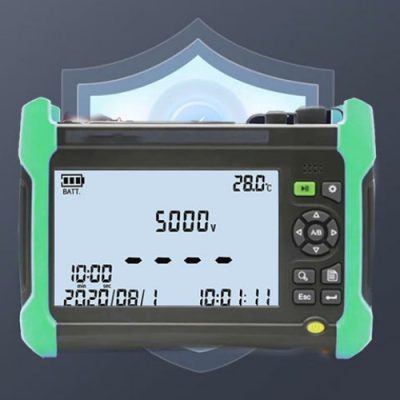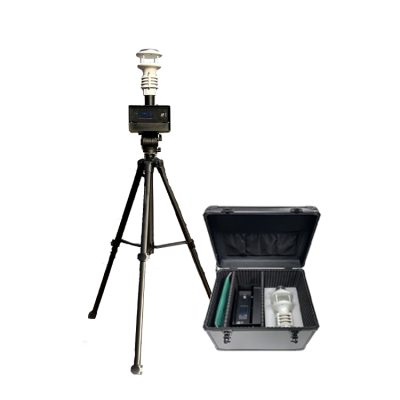

Solar irradiance is the core environmental parameter that determines the power generation performance of photovoltaic modules. The site selection resource survey, module IV power calibration, power plant PR performance ratio calculation, power generation attenuation evaluation, and third-party acceptance certification all rely on accurate and reliable irradiance measurement data. The ordinary civilian irradiance meters on the market have shortcomings such as poor spectral matching, large measurement errors, bulky body, inability to synchronously collect multiple environmental parameters, and lack of temperature compensation. Data drift is severe in outdoor high and low temperature and scattered light environments, which directly leads to distortion in component power determination and power plant energy efficiency evaluation results. Jiangsu Jingwei Technology has launched the JW-F04 portable irradiance meter, which adopts a secondary standard level thermopile sensing core, integrates multi parameter synchronous acquisition, intelligent algorithm compensation, and ultra lightweight body design. It has become an essential benchmark measurement equipment for photovoltaic IV testing, EL matching testing, and power plant resource survey, providing accurate and compliant light energy data support for full scene photovoltaic testing. Portable irradiation system dosimeter
The JW-F04 core sensing unit adopts imported quartz glass encapsulated secondary standard thermopile sensors, strictly following the ISO9060 standard manufacturing process. The spectral response curve highly matches the AM1.5G standard solar spectrum, fully covering the photosensitive band of photovoltaic cells and avoiding measurement distortion caused by spectral deviation of ordinary silicon optical sensors. The irradiance standard measurement range is 0-2000W/㎡, fully covering all working conditions of extreme sunny strong light and cloudy weak light. The basic measurement error is controlled within ± 2%, which is much better than the error range of ± 5% - ± 8% of commonly used equipment in the market. The measurement data meets the IEC photovoltaic field testing specifications and can be directly used for third-party measurement and testing, as well as for issuing formal reports for power plant completion acceptance. The data has complete compliance effectiveness. The device integrates a multi-channel synchronous acquisition module, which can synchronously record four key parameters including total irradiance, scattered radiation, environmental temperature and humidity, and component backplane temperature in a single measurement. It does not require multiple devices to measure separately or manually summarize and record, and can complete the full collection of light energy and environmental data in one step, simplifying the field operation process.
The device is equipped with a self-developed intelligent temperature and humidity compensation algorithm, which automatically corrects measurement drift for differentiated environments such as high temperature in summer, low temperature in winter, coastal high humidity, and plateau dryness, eliminating numerical offsets caused by temperature and humidity changes. The stability of measurement data at different time periods throughout the day is greatly improved. Support hardware linkage with JW-IV12 portable IV tester, wired and wireless Bluetooth dual connection mode, synchronous triggering of irradiance and component electrical performance data acquisition, built-in STC standard operating condition conversion model, one click automatic conversion of outdoor measured power to rated power under standard testing conditions, completely solving the double data error caused by separate measurement and manual conversion, significantly improving the accuracy and work efficiency of component power sampling and power station grid verification. Equipped with a universal angle adjustable sensing bracket, the probe can rotate 360 ° to adjust the tilt angle, accurately fitting the light receiving plane of the photovoltaic module, simulating the actual working conditions of the module receiving sunlight, eliminating the problem of low irradiation values caused by angle tilt, and ensuring that each set of measurement data conforms to the real power generation environment.
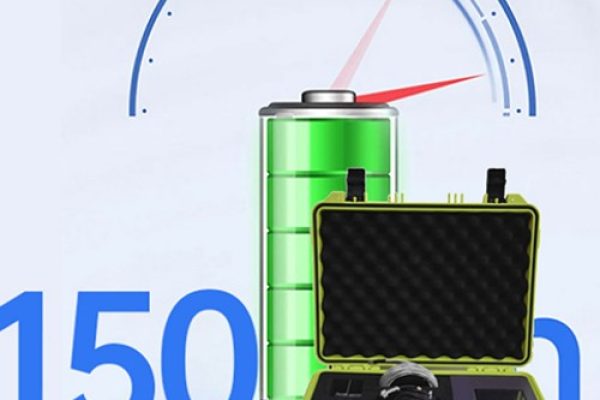
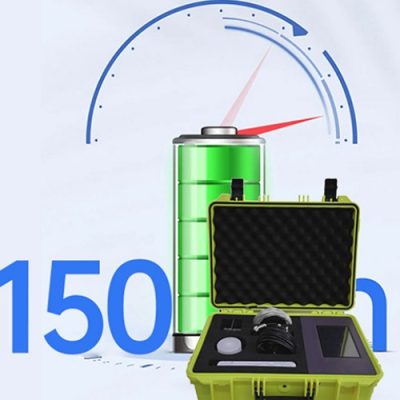
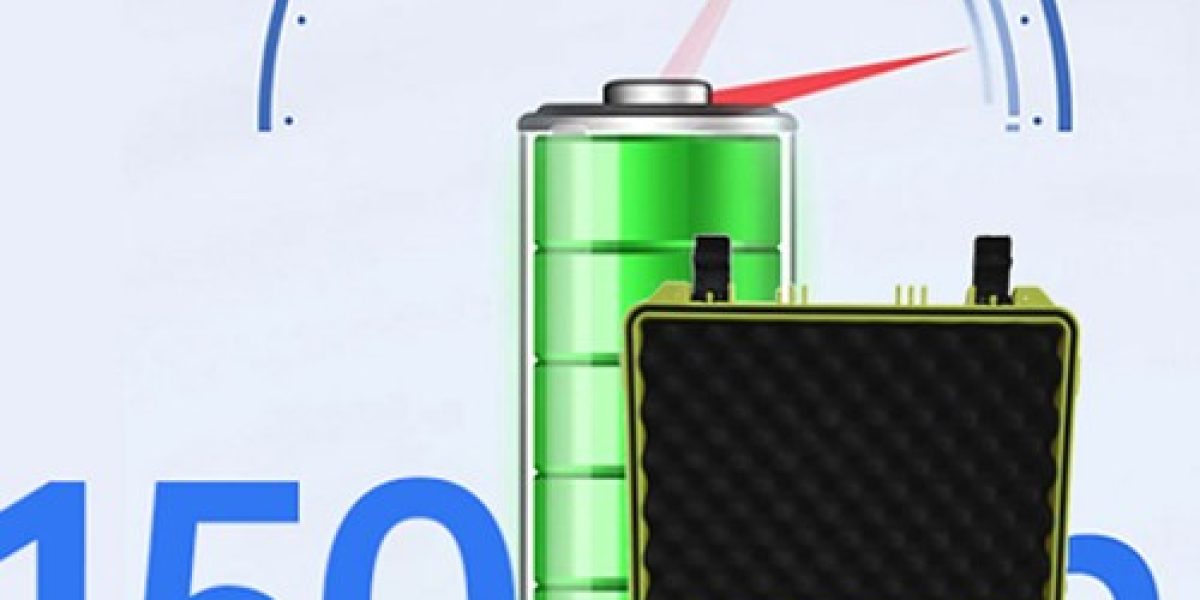
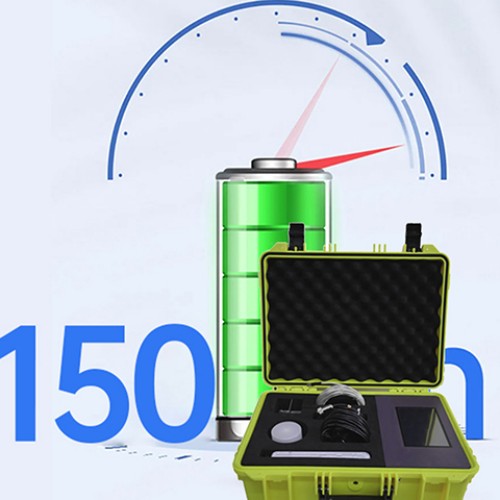
The ultimate lightweight and portable design deeply meets the carrying needs of field operation and maintenance personnel. The size of the whole machine host is only 120 × 80 × 45mm, and the weight of the whole machine is less than 300g, which is only equivalent to the weight of a smartphone. It can be directly fastened and fixed on the IV tester chassis, tripod bracket, and component frame without occupying separate transportation luggage space. With waterproof and wear-resistant storage bags, it can be carried synchronously with the entire photovoltaic testing equipment, without adding extra burden to field personnel. The operation end is equipped with a small high-definition digital display screen, which is visible under strong light without reflection. The button operation is simple and easy to understand, and the full Chinese operation interface allows beginners to quickly get started without professional training. Built in small rechargeable lithium battery, can continuously collect 72 hours of uninterrupted data with one full charge, suitable for multi day resource survey and full day batch inspection scenarios of photovoltaic power plants, supports Type-C fast charging, and can be recharged at any time by power banks and car USB. It can be used in outdoor environments without mains power and without pressure.
The device is equipped with a large capacity local storage chip, which can automatically store irradiation, temperature and humidity data of tens of thousands of components. It is matched with professional data analysis software on the computer side. After importing the data, it automatically generates a full day irradiation change curve, peak sunshine duration statistics, and site light energy resource evaluation report, intuitively presenting the distribution characteristics of light energy in the surveyed land. It provides a scientific and quantitative basis for the early site selection, component inclination optimization, installed capacity ratio, and power generation revenue calculation of photovoltaic power plants. The data supports exporting in multiple formats such as Excel and PDF, making it easy for enterprises to archive, conduct project reviews, and use third-party submission materials.
The product application scenarios cover the entire photovoltaic industry chain: the preliminary survey units of photovoltaic power stations are used for site light energy resource survey, calculating the average annual equivalent utilization hours; Component manufacturing enterprises use it for laboratory power calibration and outdoor actual power generation comparison testing; EPC、 Operation and maintenance enterprises use IV testers to conduct component power verification and annual performance degradation testing; Third party metrology and testing institutions and power research institutes are used for photovoltaic project arbitration and energy efficiency evaluation benchmark measurement; Distributed photovoltaic installers are used for pre installation daylighting assessment of rooftop photovoltaics, optimizing component layout schemes.
Jiangsu Jingwei JW-F04 portable irradiance meter, with four core advantages of high precision, lightweight, multifunctionality, and high adaptability, fills the gaps in the basic measurement equipment for photovoltaic field testing, and constructs an integrated photovoltaic field testing combination scheme of "irradiation benchmark+electrical performance testing+defect detection". Compared to imported standard radiation sensors, equipment procurement, calibration, and maintenance costs are lower, and there is a fast after-sales calibration service across the entire region in China, without the need for long-distance inspections that could delay project timelines.
Under the trend of refined development in the photovoltaic industry, accurate light energy measurement is the data foundation for improving the quality and efficiency of power plants. Jiangsu Jingwei will continue to iterate sensing algorithms, upgrade the split type long-distance irradiation acquisition version, expand the lightweight models for surface photovoltaics and household small photovoltaics, and use high-precision domestic sensing equipment to assist the photovoltaic industry in establishing a standardized and precise on-site detection system, continuously promoting the localization and substitution process of new energy detection equipment.
Portable irradiation system thermometer, portable photovoltaic PR testing system, photovoltaic performance evaluation tool