

Against the backdrop of the large-scale development of the domestic photovoltaic industry and the surge in demand for the operation and maintenance of existing power stations, rapid verification of on-site component performance, precise troubleshooting of faults, and compliance certification of completion data have become common necessities in the industry. Traditional IV detection equipment has pain points such as slow sampling speed, large parameter calculation errors, dependence on manual curve interpretation, and bulky outdoor carrying, making it difficult to adapt to complex field scenarios such as distributed roofs, mountain photovoltaics, and floating power stations. Jiangsu Jingwei Technology has been deeply involved in the research and development of photovoltaic testing instruments for many years. With the accumulation of independent sensing and algorithm technology, it has launched the JW-IV12 portable IV tester, which has four core advantages: high-precision measurement, AI intelligent diagnosis, lightweight three proof design, and full system compatibility. It has opened up the entire performance testing loop of photovoltaic components from production sampling, project acceptance to annual operation and maintenance, providing a one-stop portable IV testing solution for the new energy industry. Today's Headlines. Outdoor IV tester
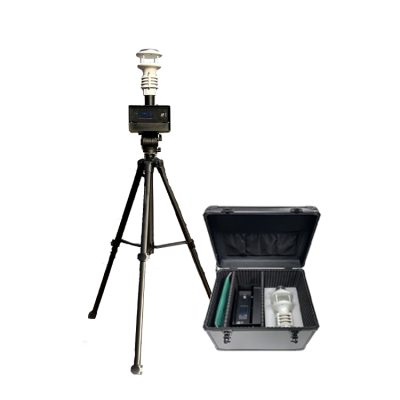
The JW-IV12 achieves a breakthrough upgrade in the industry at the core measurement hardware level, equipped with a self-developed 100kHz high-frequency dedicated sampling chip, which can fully capture the complete IV characteristic curve of the photovoltaic string in just 3 seconds. It synchronously and accurately calculates 12 key electrical performance parameters such as short-circuit current, open circuit voltage, maximum power, fill factor, and series resistance. The basic measurement accuracy of the whole machine can reach ± 0.5%, far exceeding the accuracy standard of ± 1%~± 2% of commonly used portable detection equipment on the market. The equipment is fully compatible with the current mainstream 1500V high-voltage photovoltaic system, with a voltage testing range covering 10V to 1500V. It is compatible with all types of high-efficiency components such as 182mm, 210mm single crystal, polycrystalline, TOPCon, HJT, etc. Whether it is a small distributed array for household use or a hundred megawatt centralized photovoltaic array, it can stably complete batch testing of series. At the same time, the device is equipped with a standardized STC working condition automatic conversion program, which can seamlessly link with the JW-F04 portable irradiance meter of the same brand. Real time synchronized collection of on-site irradiation, component backplate temperature, and environmental temperature data can be completed on-site with one click to convert measured parameters to standard testing conditions, completely avoiding data deviation caused by manual recording and conversion. The generated detection report can be directly used for legally effective formal scenarios such as project completion acceptance, asset value evaluation, photovoltaic insurance loss assessment and claims, etc. Today's Headlines.
Different from traditional devices that can only output curve data and rely heavily on the professional experience of operators for fault recognition, the JW-IV12 is equipped with an AI intelligent diagnostic algorithm trained on a large number of photovoltaic fault samples. The curve collection is completed instantly, and multi-dimensional data analysis is automatically carried out to quickly identify more than ten types of on-site high incidence faults such as component power attenuation, surface shielding loss, hot spot hidden danger, bypass diode damage, series connection mismatch, and poor terminal contact. The system automatically labels the fault location, energy loss proportion, and risk level. Zero based operation and maintenance personnel can independently complete the whole station fault screening after short training. The detection efficiency of a single power station is improved by more than 70%, greatly reducing the labor cost and technical threshold of photovoltaic operation and maintenance enterprises.
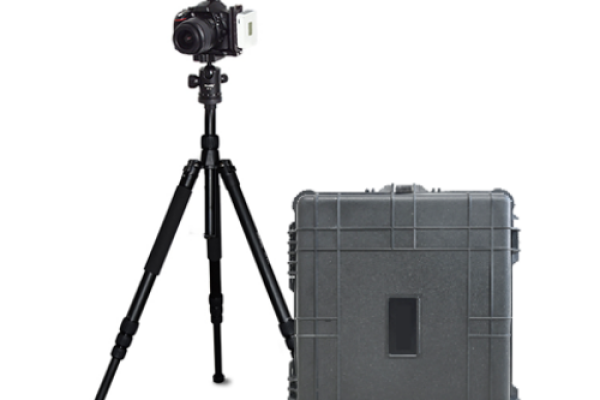
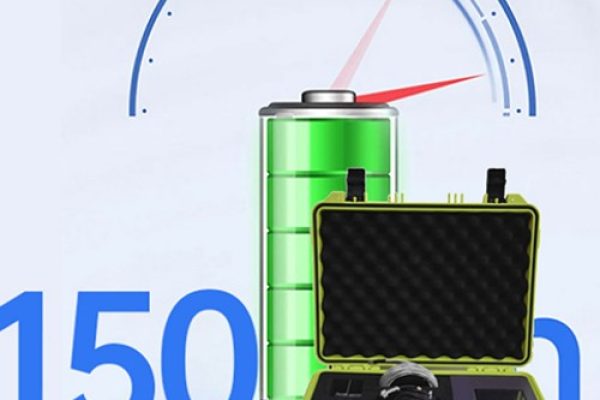
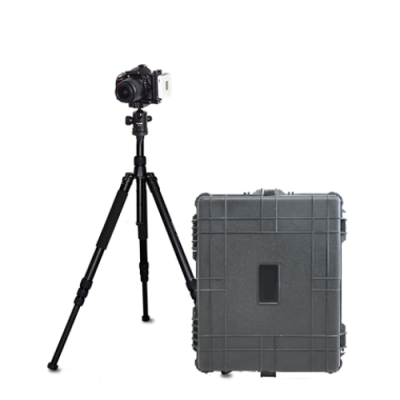
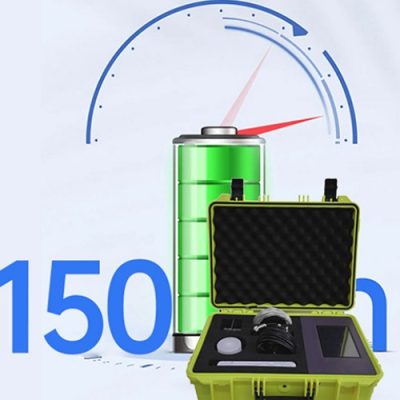
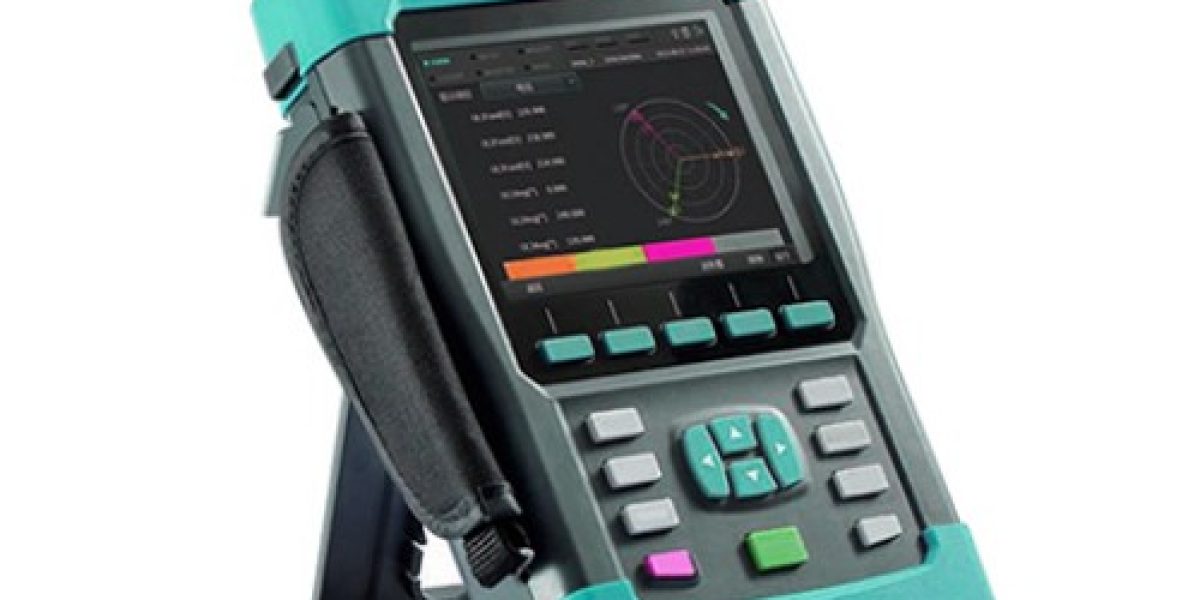
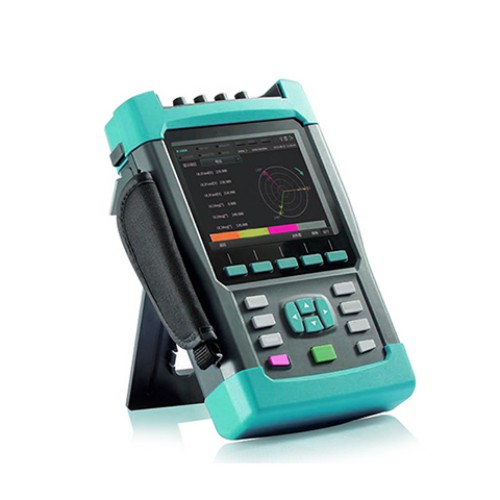
In response to the changing and harsh outdoor working conditions, the JW-IV12 adopts a lightweight industrial integrated body structure, with a net weight of only 6.8kg and dimensions of 390 × 300 × 200mm, making it easy to transport by hand; The body shell is made of high-strength ABS material, achieving IP65 dustproof and waterproof protection level, which can resist outdoor sand and dust, short-term rain, and high and low temperature difference invasion. It can operate stably in the range of -10 ℃ to 50 ℃ and is suitable for various photovoltaic sites across the country, such as the northwest Gobi high temperature field, the southern high humidity roof, and the northern low temperature mountain. The device is equipped with a 7-inch high brightness outdoor visual touch screen, which provides clear and non reflective images in strong light environments. The one click operation interface throughout the entire process is simple and intuitive, without the need for complex wiring and debugging. The power supply is equipped with a 14.8V/4400mAh long-lasting lithium battery, which can continuously detect for 8 hours on a single full charge. It can operate all day in remote photovoltaic fields without external power supply; Equipped with a 100 meter extended test cable, it is suitable for long-distance measurement point operations of large-span photovoltaic arrays, without the need to frequently move the host equipment.
In terms of digital operation and maintenance capabilities, JW-IV12 supports Bluetooth and RS232 dual-mode data transmission. Detection curves, parameter reports, and fault records can be synchronized in real time to mobile and tablet management apps. The local body can store tens of thousands of sets of detection data, and supports batch export of Excel and PDF standard format files. The data can be uploaded to the smart operation and maintenance platform of the power plant, building a component performance lifecycle data archive for long-term tracking of power attenuation trends and providing quantitative data support for operation and maintenance strategy optimization.
From the perspective of application scenarios, JW-IV12 can cover the diverse needs of the photovoltaic industry: component manufacturing enterprises use it for power sampling of finished products on production lines, quickly screening defective products with power not meeting standards; EPC engineering enterprises are used for string matching verification during the power station construction phase, to identify potential wiring and component mismatches in advance; Operations and maintenance service providers use annual and quarterly site inspections to accurately locate inefficient faulty components; Third party testing agencies go out to collect evidence on site and issue compliance and standardized testing reports.
Jiangsu Jingwei Technology has always adhered to the development path of independent research and development and domestic substitution. The JW-IV12 portable IV tester integrates high-precision hardware, AI intelligent algorithms, and outdoor three proof portable design, solving the pain points of slow detection, large errors, difficult interpretation, and inconvenient portability that have long existed in the industry. In the future, Jiangsu Jingwei will continue to iterate the entire series of photovoltaic testing instruments, using higher precision, intelligence, and portability products to help improve the quality and efficiency of the photovoltaic industry, and promote the localization and standardization upgrade of domestic photovoltaic on-site testing equipment.
Outdoor IV tester, current voltage power curve detector, portable IV power tester for photovoltaic power plants