

During the entire process of production, transportation, installation, and long-term operation and maintenance of photovoltaic modules, internal hidden defects such as hidden cracks, battery fragments, virtual welding of solder strips, broken grids, black core chips, PID attenuation, etc. are prone to occur. These types of damages cannot be recognized by the naked eye, but will gradually reduce the power generation of the modules, and in severe cases, may trigger safety accidents such as hot spots, short circuits, and fires. Conventional IV testers can only determine overall power abnormalities and cannot visually display the location and degree of internal damage and defects in components, while traditional fixed EL testers are only suitable for factory workshops and cannot be used for on-site inspections in power plants. In response to the urgent need for outdoor non-destructive testing in the industry, Jiangsu Jingwei Technology has iteratively optimized its electroluminescent imaging technology and launched the JW-EL2 portable EL detector, which integrates high-definition infrared imaging, AI intelligent defect recognition, lightweight portability, and all-weather outdoor protection. It has become the core equipment for non-destructive testing of photovoltaic modules throughout their lifecycle, solving the pain points of the visual inspection industry for outdoor component defects. Photovoltaic power station tester
The JW-EL2 is equipped with a professional level high-sensitivity infrared imaging module and a 24 million pixel high-definition imaging sensor, with imaging resolution far exceeding that of portable devices of the same level. It can clearly capture micro defects such as micro level hidden cracks, small virtual welding, and local delamination that are not easy to detect, without image blurring or edge distortion problems, completely avoiding the problem of missed detection and misjudgment in outdoor strong and weak light environments. The equipment is equipped with an adjustable amplitude wide silent excitation power supply, suitable for 360V~1500V full voltage components and strings, supporting independent imaging of single components and batch detection of the entire string. The imaging speed is flexible and adjustable, and the fastest completion of single component imaging is 1 second. The efficiency of batch acceptance scene detection is tripled. Different from the limitations of ordinary EL devices on the market that can only operate at night, JW-EL2 is equipped with a multi-layer optical filtering system, which effectively filters environmental impurities such as sunlight, moonlight, and construction site lighting. It can also carry out flaw detection normally under low light conditions such as dusk and cloudy days, greatly expanding the daily effective detection time and shortening the power station acceptance period.
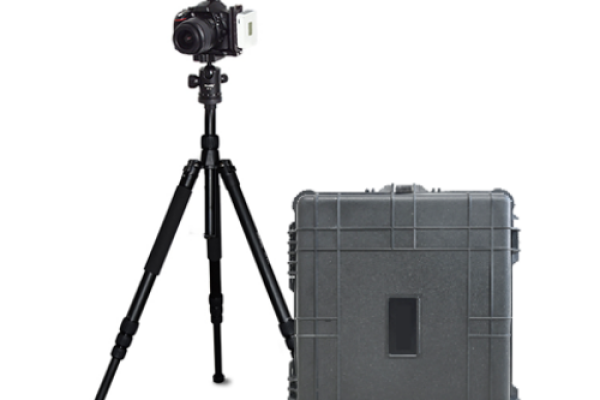
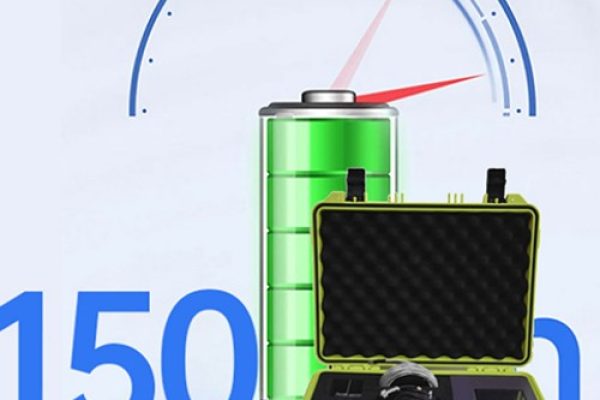
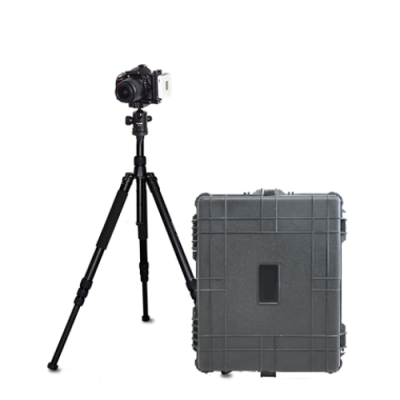
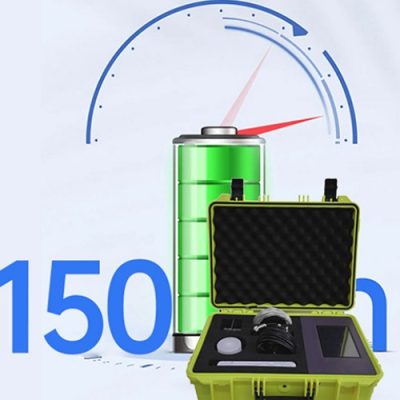
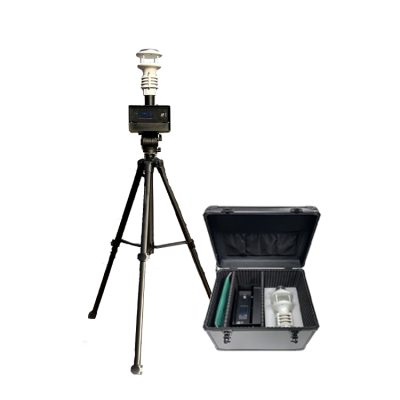
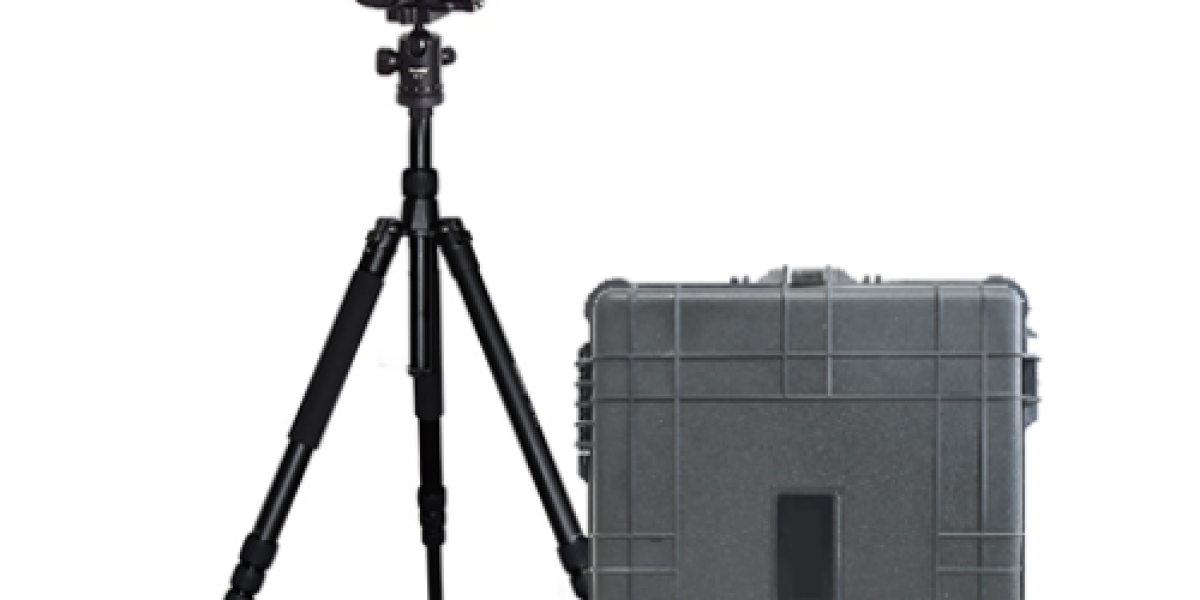
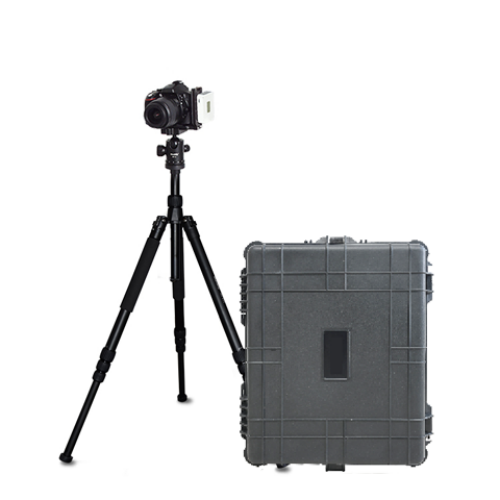
The lightweight integrated design of the whole machine is specially designed for outdoor transportation. The imaging host, excitation power supply, carbon fiber tripod, and protective cables are all stored in a roller pull rod protective box. The total weight of the whole set is only 7.8kg, and it can be dragged and transported by a single person without pressure. It can be quickly deployed in low residential roofs, mountainous photovoltaic areas with high drops, floating power stations on water, and complementary agricultural photovoltaics in greenhouses with limited pedestrian flow. The assembly and wiring can be completed within 30 seconds after opening the box and put into testing. The overall protection level of the body is IP53, and the internal imaging module is filled with shock-absorbing and buffering materials, which will not damage the precision lens during transportation on bumpy mountain roads; The whole machine can withstand environmental temperatures ranging from 10 ℃ to+55 ℃, and can operate continuously in high temperature exposure, sandstorms, and short-term light rain weather. It is suitable for various complex outdoor climates across the country. The power supply system caters to both outdoor and indoor scenarios, with built-in low-temperature high-capacity lithium batteries that can complete 400 component inspections in a single day when fully charged. Remote photovoltaic bases without commercial power do not require external power sources; At the same time, it is equipped with a national standard fast charging interface for municipal power supply, and batch inspections can be conducted in component warehouses and production workshops to ensure uninterrupted operation with plug-in power.
The AI intelligent diagnostic function significantly reduces the threshold for manual interpretation. The device is equipped with Jingwei's self-developed defect recognition algorithm, which automatically marks various types of defects such as hidden cracks, fragments, virtual welding, broken grids, and black chips after imaging is completed. The number of defects is automatically classified and counted, the severity of damage is rated, and the coordinate position of defects is synchronously marked. There is no need for staff to manually screen frame by frame, greatly reducing missed detections caused by visual fatigue. Integrated management of detection data, automatic generation of standardized EL detection reports, embedded high-definition infrared imaging original images, defect details, component numbers, and detection environment parameters. The report format complies with the photovoltaic engineering acceptance specifications and can be directly used for project archiving, quality assurance and rights protection, and third-party detection certificates. The device supports wireless tablet remote control and real-time image feedback. During high-altitude rooftop operations, personnel can stand on the ground to remotely control the shooting, reducing the safety risk of high-altitude falls. A single person can independently complete the entire detection work, saving half of the labor cost.
The current JW-EL2 portable EL detector has been widely used in five core scenarios: component factory quality inspection, photovoltaic project arrival acceptance, installation and construction quality inspection, annual operation and maintenance inspection of power plants, and evaluation of old component recycling. It serves photovoltaic module manufacturers, large energy groups, third-party testing institutions, and distributed photovoltaic operation and maintenance enterprises. Numerous frontline inspection engineers have stated that this device balances imaging accuracy and outdoor portability, perfectly solving the industry problem of traditional EL devices being unable to operate outdoors. It achieves early detection and replacement of hidden defects in components, avoiding power generation attenuation and fire safety hazards from the source. Jiangsu Jingwei will continue to deeply cultivate the field of photovoltaic non-destructive testing, continuously upgrade imaging and AI recognition technology, and provide more complete and efficient on-site testing solutions for quality control in the photovoltaic industry.
Photovoltaic power station tester, photovoltaic panel testing instrument, outdoor photovoltaic power station tester