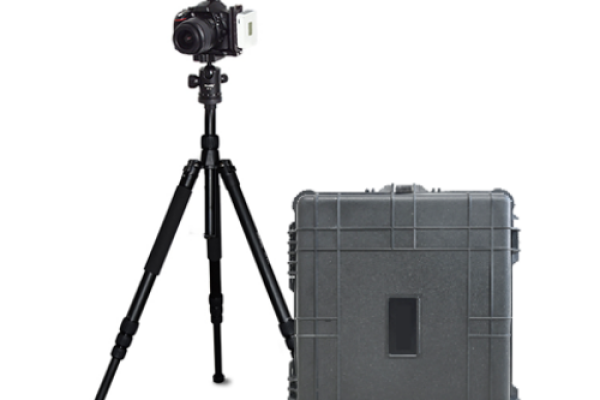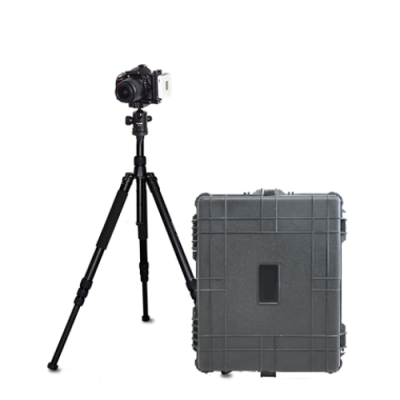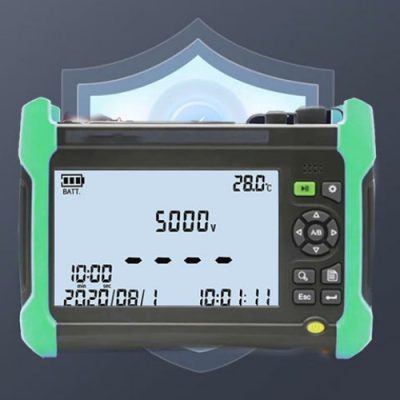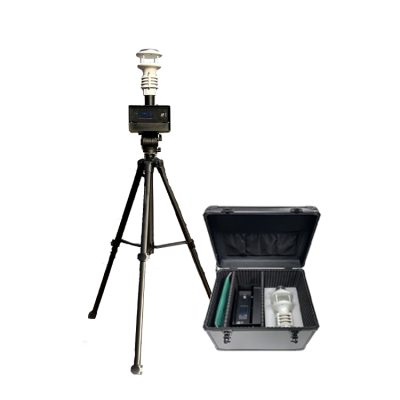


Solar irradiance is the most critical environmental parameter that determines the power output of photovoltaic modules, calibration of IV curve data, and evaluation of power generation in power plants. The accuracy of irradiance measurement data directly determines the credibility of the results of all photovoltaic detection equipment. In the on-site testing of photovoltaics, traditional general irradiance meters generally have three major shortcomings: low measurement accuracy, which cannot meet the compliance standards of third-party testing; Temperature drift and light drift errors are large, and data in strong light and low temperature environments is distorted; The body is bulky and cannot be synchronized with IV and EL devices for field use, and lacks the function of synchronously collecting component surface temperatures, making it difficult to complete standard environmental correction calculations. In order to establish a precise data benchmark for outdoor photovoltaic detection, Jiangsu Jingwei Technology has developed and launched the JW-F04 portable irradiance meter, which adopts a secondary standard level photoelectric sensing unit, integrates dual parameter synchronous acquisition of irradiation and temperature, and is lightweight and portable, suitable for all types of photovoltaic field detection. It has become an essential benchmark measurement equipment for IV testers and EL detectors. Portable irradiation system dosimeter
JW-F04 achieves accuracy upgrade from the sensing core level. The core sensor adopts imported quartz glass encapsulated silicon photovoltaic cells and strictly follows the ISO9060 Level 2 standard irradiation sensor manufacturing process. The spectral response matches the AM1.5 standard solar spectrum. The total irradiance measurement range covers 0-2000W/㎡, and the measurement error is controlled within ± 2%, which is far superior to the error level of ordinary civilian irradiation meters in the market of ± 5%~± 8%. It fully meets the data accuracy requirements of IEC photovoltaic on-site testing and third-party laboratory external evidence collection. The device is equipped with an intelligent temperature compensation circuit, which optimizes the temperature drift algorithm for outdoor day night temperature differences and summer strong light and high temperature conditions. It can continuously and stably output data in a wide temperature range of -30 ℃ to 70 ℃, avoiding measurement distortion caused by zero drift of the sensing unit under high temperature exposure. Whether it is a strong sunlight environment in the northwest Gobi, a low temperature in the northeast winter, or a weak light environment in the southern rainy season, it can maintain long-term measurement consistency.
The portable structural design deeply meets the needs of field operation and maintenance. The whole machine has a small integrated body with a size of only 120 × 80 × 45mm and a weight of less than 300g. It can be directly fastened and fixed on the IV tester chassis and tripod bracket without occupying separate transportation space. It is equipped with a waterproof receiving bag and can be carried synchronously with the entire testing equipment, without increasing the burden on field personnel. The sensing probe adopts a universal adjustable bracket, which can be accurately adjusted to the parallel light receiving angle with the photovoltaic module, perfectly simulating the actual working condition of the module receiving sunlight, and eliminating the false low irradiation value caused by angle deviation; Synchronized integrated patch type platinum resistance temperature probe can closely adhere to the component backplate to synchronously collect the working temperature of battery cells. The dual parameters of irradiation and temperature are synchronously collected in milliseconds, without the need for separate measurements, greatly simplifying the on-site operation process.
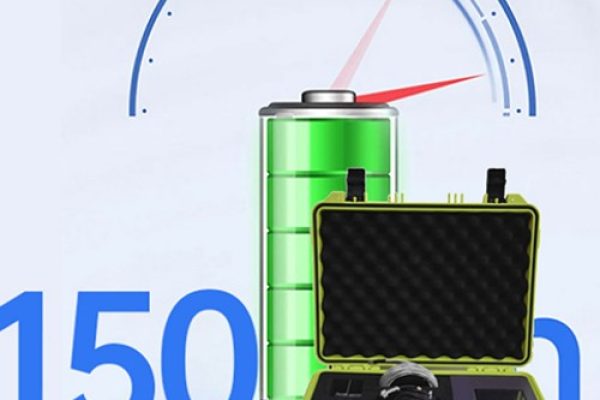
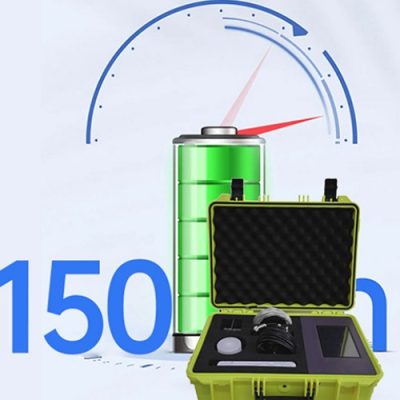
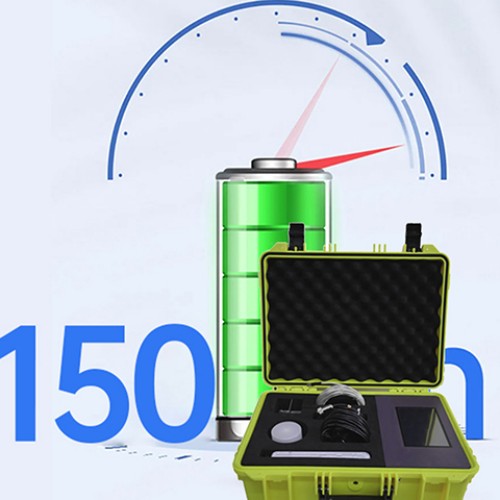
The device is equipped with a high-definition OLED digital display screen, which can clearly read real-time irradiance and component temperature values in strong light and low light environments at night. It supports manual one click storage of instantaneous data, and a single device can store tens of thousands of measurement records. The data comes with timestamps and device numbers for easy traceability and verification in the future. Equipped with wired data output and wireless Bluetooth dual transmission mode, it can seamlessly integrate with Jiangsu Jingwei JW-IV12 portable IV tester, synchronize irradiation and temperature data in real time, provide accurate raw parameters for IV curve STC standard correction, and achieve integrated closed-loop operation of "irradiation acquisition performance testing data correction"; At the same time, it supports Bluetooth connection to mobile phones and tablets, and comes with a dedicated data recording app that automatically generates radiation environment monitoring records, which can be directly imported and archived for testing reports. In terms of battery life, it adopts replaceable rechargeable lithium batteries, which can work continuously for 12 days on a single full charge, with extremely low standby power consumption, no need for frequent charging, and no need to worry about power outages during long-term on-site inspections.
Application scenarios cover the entire process of photovoltaic data calibration requirements: outdoor power IV testing of photovoltaic modules with benchmark collection, annual survey of radiation resources in power stations, theoretical calculation of distributed photovoltaic power generation, third-party testing agencies for standardized certification, energy efficiency evaluation of energy storage photovoltaic systems, zoning statistics of photovoltaic resources in agricultural photovoltaic complementary power stations, and on-site accuracy calibration of photovoltaic meteorological stations. In actual operation and maintenance work, when paired with JW-F04 irradiance meter to collect benchmark data, the power error of IV curve can be significantly reduced by more than 70%, avoiding misjudgment of component power attenuation due to inaccurate light measurement and reducing unnecessary component replacement and operation and maintenance rectification costs.
As a benchmark instrument for photovoltaic detection data collection, the JW-F04 portable irradiance meter fills the gap in high-precision environmental sensing for outdoor detection. With a secondary standard measurement accuracy, lightweight and portable form, and equipment linkage adaptability, it connects the key link of precision in photovoltaic on-site detection data. Jiangsu Jingwei relies on its full chain photovoltaic testing instrument research and development capabilities to achieve coordinated support for IV, EL, irradiation, and insulation testing equipment, providing an integrated outdoor testing solution for the industry. In the future, enterprises will continue to iterate sensing technology, launch upgraded models for scattering and direct beam measurement, continuously improve the product matrix for photovoltaic environmental monitoring, and promote the standardization and normalization of data in the photovoltaic detection industry with accurate and reliable benchmark measurement equipment.
Portable irradiation system thermometer, portable photovoltaic PR testing system, solar radiation