

As the core power generation unit of the photovoltaic power generation system, photovoltaic modules suffer from invisible internal defects such as hidden cracks, broken grids, virtual soldering, fragments, PID attenuation, and black core chips, which are the core causes of the module's power decline year by year, hot spot ignition, and continuous loss of power generation in the power station. Traditional fixed EL detectors are bulky and require stable power supply. Components need to be disassembled and transported to the laboratory for testing, which not only incurs high labor and transportation costs, but also poses a risk of falling during high-altitude dismantling operations. They are difficult to adapt to high-frequency outdoor testing scenarios such as distributed roofs, large ground photovoltaic bases, and rapid troubleshooting after disasters. To break through the bottleneck of non-destructive testing industry in photovoltaic field, Jiangsu Jingwei Technology has been deeply involved in electroluminescent infrared imaging technology for many years. We have independently developed the JW-EL2 portable EL detector, which has four core advantages: lightweight and portable body, high-definition infrared imaging, AI intelligent defect recognition, and all-weather long endurance. We have created a portable non-destructive testing instrument for photovoltaic modules, and opened up the last mile of visual detection of internal defects in outdoor modules. Rapid detection instrument for hidden cracks in photovoltaic panels
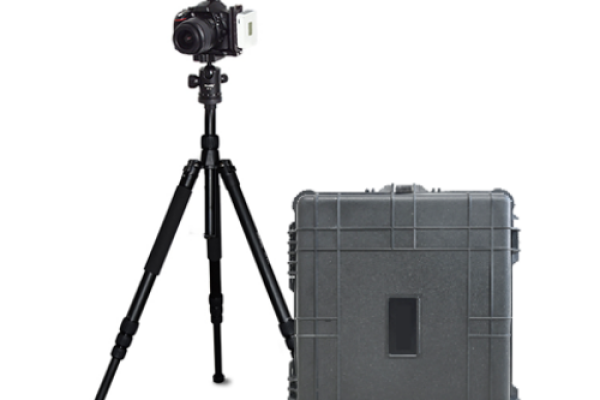
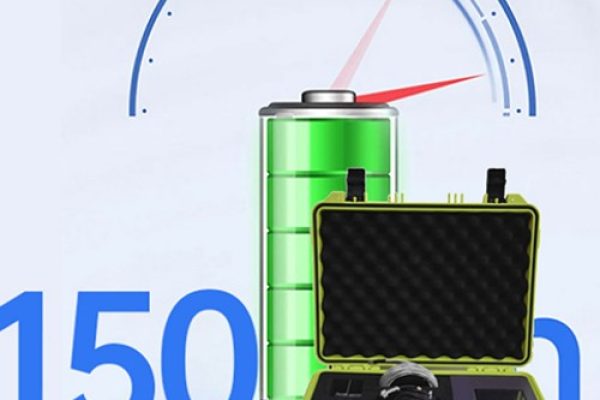
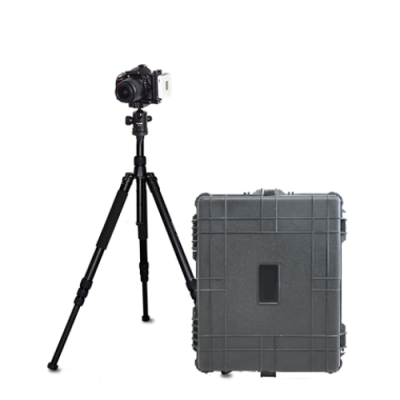
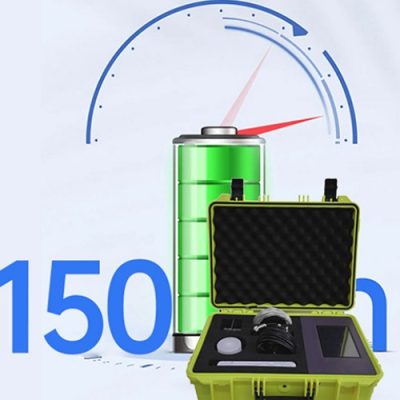
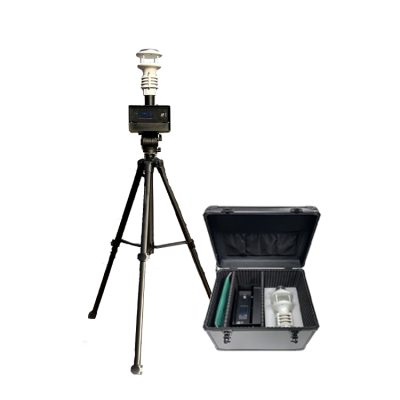
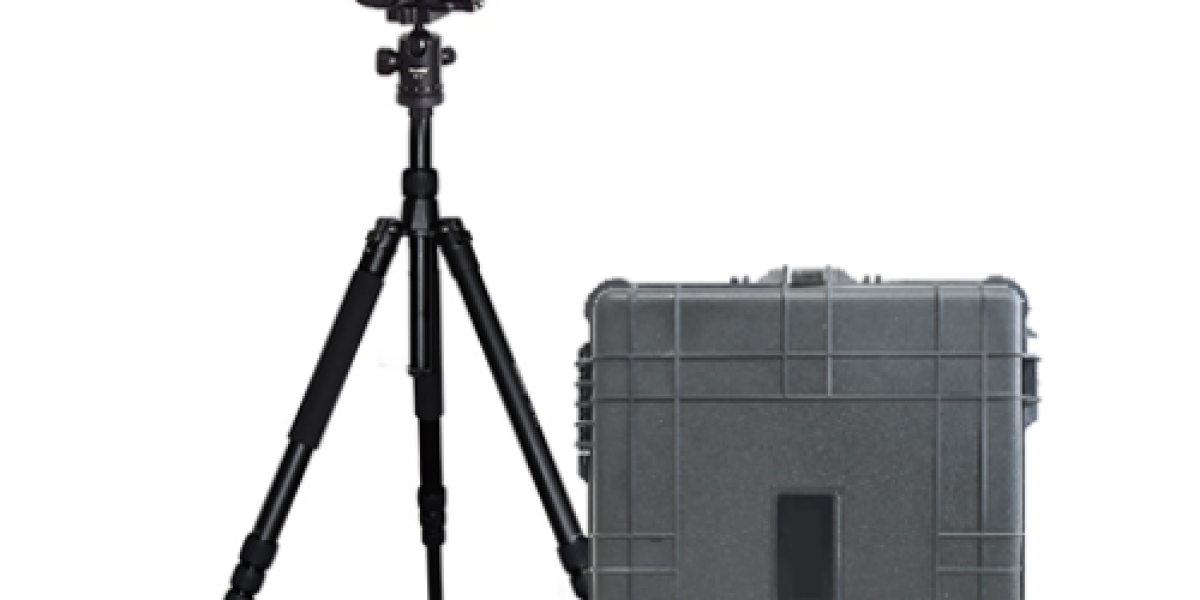
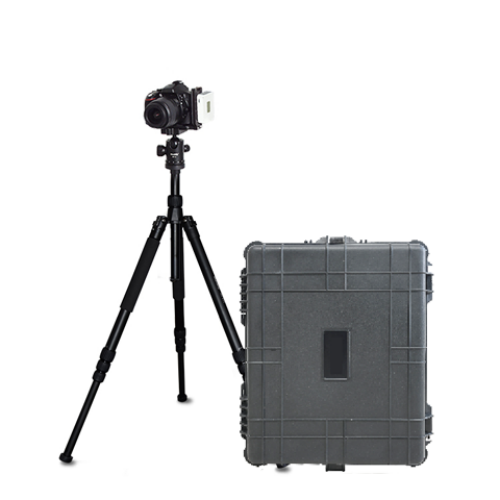
The JW-EL2 complete set of equipment includes an infrared imaging host, a programmable excitation power supply, a carbon fiber telescopic tripod, and an integrated pull rod protective box. The total weight of the entire set is only 8.5kg. The roller pull rod box is designed to be dragged and transported by a single person, and after storage, it has a compact volume without air transportation restrictions. The third-party detection mechanism has strong adaptability for cross regional mobile operations. The equipment completely eliminates the dependence on mains electricity, and the power supply is equipped with high-density and safe lithium batteries. With a single full charge, it can continuously complete EL imaging detection of more than 300 components. Remote desert and mountainous photovoltaic fields without grid coverage can be inspected all day without external power supply; All components of the body are made of industrial three proof materials, achieving IP65 dustproof and waterproof protection level. It can stably image in outdoor environments with dust, light rain, high and low temperatures, and operate stably in various weather scenarios throughout the year. Equipped with a 1.8-meter lightweight carbon fiber tripod, the height can be freely adjusted, and it is suitable for high bracket components, low roof tile components, and multi angle shooting of ground photovoltaic arrays. There are no blind spots for detection, and there is no need to repeatedly disassemble and adjust the equipment position.
In terms of imaging performance, the JW-EL2 is equipped with a 24 million level high-sensitivity professional infrared imaging camera, paired with a self-developed optical focusing lens, with high imaging resolution and delicate images. It can capture tiny cracks in battery cells at the 0.1mm level, and the imaging of intact battery cells is uniform and transparent. Defects such as hidden cracks, virtual soldering, broken grids, PID attenuation, and fragments will present clear dark lines and areas, and various internal damages will be visually presented. The detection standards are fully comparable to large EL equipment in the laboratory, meeting the full scene requirements of photovoltaic project arrival acceptance, completion quality inspection, annual operation and maintenance flaw detection, component failure analysis, and third-party detection and evidence collection. The equipment abandons the traditional inefficient mode of manual image reading and is equipped with a self-developed AI intelligent analysis engine trained on millions of defect samples. The image acquisition is completed instantly, and the full image analysis is automatically completed, accurately distinguishing minor process defects from structural safety damage. The defect location, size, type, and risk level are automatically marked, without the need for operation and maintenance personnel to have years of image reading experience. Zero basic operators can independently complete batch inspection operations in one hour of training, and the efficiency of single power station inspection is improved by more than 70%, greatly reducing the dependence on professional technical personnel in enterprises.
The device is equipped with a 10 inch wireless touch tablet, which supports remote wireless image transmission control. During high-altitude roof inspection, operation and maintenance personnel do not need to stand under the components up close, and can remotely complete imaging shooting, defect inspection, and parameter settings, reducing the safety risk of high-altitude falls from the source; Built in ultra large capacity local storage module, capable of storing over 50000 sets of original EL imaging images and detection records, supporting local retention, USB one click export, and 5G remote cloud transmission. All detection data is watermarked with time, location, and component number, and can be directly archived to generate acceptance reports, facilitating defect traceability, rectification tracking, and full lifecycle health management of power plants in the later stage. At the same time, the device supports custom defect detection thresholds, and enterprises can adjust AI recognition and judgment rules according to their own operation and maintenance standards, adapting to different detection standard requirements of household, industrial and commercial, and large ground power stations, with outstanding compatibility and customization capabilities.
Compared with imported portable EL flaw detection equipment, Jiangsu Jingwei JW-EL2 has achieved localization of core imaging lenses, infrared sensors, AI recognition algorithms, and programmable excitation power supplies, significantly reducing procurement costs. The price is only half of imported equipment with the same configuration. At the same time, it has established a nationwide technical service system, providing on-site equipment debugging, operation and maintenance team practical training, annual equipment optical calibration, AI algorithm lifelong free iteration and upgrade one-stop services, completely solving industry pain points such as long after-sales cycles, software upgrade fees, and expensive accessory procurement for imported equipment. At present, the equipment has been put into use by dozens of domestic photovoltaic operation and maintenance enterprises, third-party testing laboratories, and EPC engineering companies. The annual testing data of large-scale photovoltaic bases in many places show that using JW-EL2 for normalized EL testing has increased the early detection rate of hidden power generation attenuation faults in components by 90%, reduced the annual power generation loss caused by internal defects by 65%, effectively avoided safety accidents such as hot spot fires, and significantly extended the service life of components.
Jiangsu Jingwei Technology has always focused on the photovoltaic non-destructive testing track, promoting the upgrade of photovoltaic operation and maintenance mode with domestically produced precision equipment. The launch of the JW-EL2 portable EL detector fills the gap in the domestic market for lightweight and high-precision outdoor EL testing equipment, and promotes the shift of photovoltaic module testing from laboratory disassembly testing to on-site non-destructive visualization testing. In the future, enterprises will continue to iterate infrared imaging and AI intelligent recognition technologies, develop unmanned aerial vehicle (UAV) linkage EL detection supporting solutions, improve the entire product matrix of photovoltaic detection, empower the safe and long-term operation of the photovoltaic industry with high cost-effectiveness and high-performance domestically produced detection equipment, and safeguard the steady progress of the dual carbon industry.
Photovoltaic panel hidden crack rapid detection instrument, solar cell testing equipment, outdoor photovoltaic power station tester