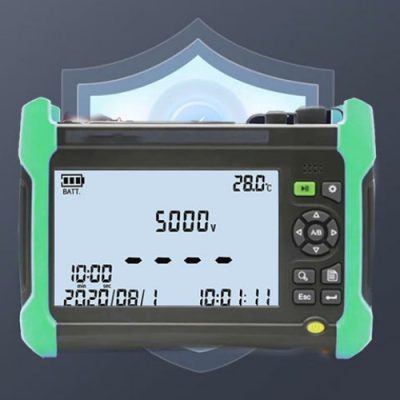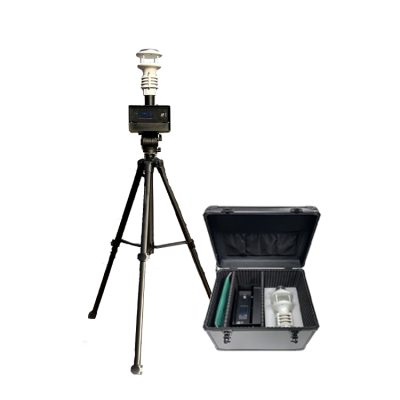


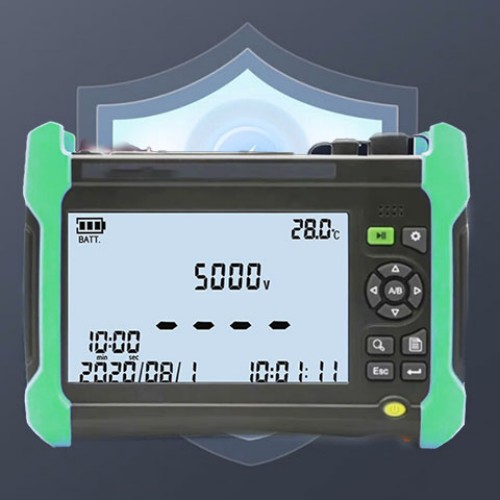
Photovoltaic systems belong to high-voltage direct current electrical systems. Components, cables, combiner boxes, and inverters are exposed to long-term exposure to sunlight, rain, dust, and moisture, which can easily lead to cable insulation cracking, junction box water leakage and aging, grounding terminal corrosion, and string to ground leakage faults. The failure of insulation performance can cause frequent protection shutdowns of inverters and a significant decrease in power generation, and in severe cases, it can result in electric shock to operation and maintenance personnel, cable short circuits causing fires, lightning strikes piercing equipment, causing significant property losses and safety production accidents. Traditional photovoltaic insulation testing has obvious shortcomings: the range adaptability of ordinary megohmmeters is poor, there is no dedicated photovoltaic protection circuit, and high-voltage testing can easily damage the PN junction of components; The device has a single function and can only measure insulation resistance, unable to synchronously detect open circuit voltage and grounding continuity; The body is bulky, the wiring is cumbersome, and the inspection efficiency of complex scenes such as roofs and mountains is low. It is difficult to quickly locate the fault points. Jiangsu Jingwei is deeply engaged in the field of photovoltaic electrical safety testing, and has customized and developed the JW-J25 portable insulation resistance tester for the high-voltage characteristics of photovoltaic DC systems. It has multiple levels of photovoltaic specific testing voltage, integrated multiple electrical detection functions, lightweight portable body, and multiple high-voltage safety protections. It completes the insulation safety verification of the entire photovoltaic chain in one stop, becoming an essential equipment for power station completion acceptance, daily electrical inspection, and fault safety investigation. Multi functional comprehensive electrical appliance
JW-J25 is designed to optimize the hardware architecture for photovoltaic DC systems, with four levels of dedicated testing voltages for photovoltaics: 125V, 250V, 500V, and 1000V. It fully covers the testing needs of all categories of household low-voltage distributed and large-scale 1500V ground photovoltaic systems; The insulation measurement range covers 10k Ω to 100G Ω, with a wide range to accurately identify two types of faults: slight insulation attenuation and severe leakage breakdown. The device is equipped with a photovoltaic exclusive anti reverse impact protection circuit, which automatically suppresses reverse high-voltage pulses during the testing process, avoiding insulation testing and damaging component cells and bypass diodes, solving the industry problem of traditional universal megohmmeter testing that easily damages photovoltaic components. The measurement circuit adopts high-precision sampling resistors, with insulation resistance measurement standard interval error of ≤± 5%. The identification of low resistance leakage points is sensitive, which can accurately capture hidden leakage hazards such as small cable damage, moisture inside the junction box, and insulation attenuation of the frame to ground; Equipped with automatic discharge function, the device automatically releases residual high voltage in the circuit after each test is completed, eliminating the risk of electric shock caused by operators touching the wiring terminals and greatly improving the safety of outdoor high voltage detection operations.
The equipment breaks the single function limitation of traditional safety instruments and integrates four core functions: insulation resistance testing, DC open circuit voltage measurement, grounding continuity detection, and circuit short circuit verification. One device replaces multiple traditional instruments such as megohmmeters, DC voltmeters, and grounding resistance detectors, and the inspection process does not require frequent replacement of equipment or disassembly of testing lines, reducing single point detection time by 70%. Measuring DC voltage up to 1500V DC, compatible with current mainstream high-voltage photovoltaic strings, automatically identifying positive and negative polarity, and displaying voltage values and polarity labels intuitively on the screen; Ground continuity testing can quickly determine whether the component frame, bracket, and combiner box are grounded, and promptly identify lightning strikes and electrostatic safety hazards caused by grounding failure; The short circuit verification function can quickly identify short circuit faults in positive and negative cables, avoiding the risk of burning out the inverter due to power on short circuits in advance. A set of equipment completes the electrical safety testing of photovoltaic modules, strings, combiner boxes, DC cables, and the DC side of the inverter throughout the entire process。
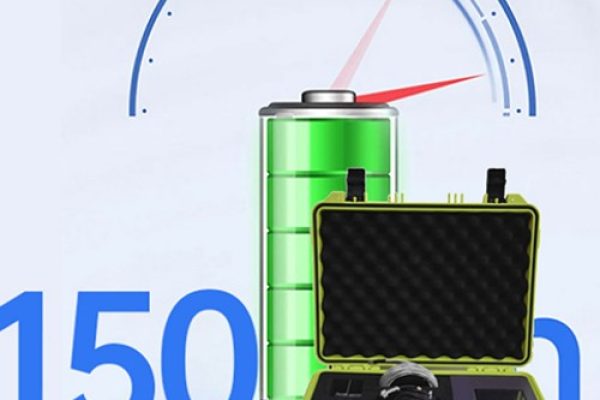
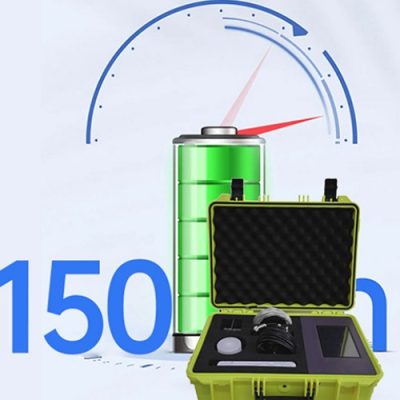
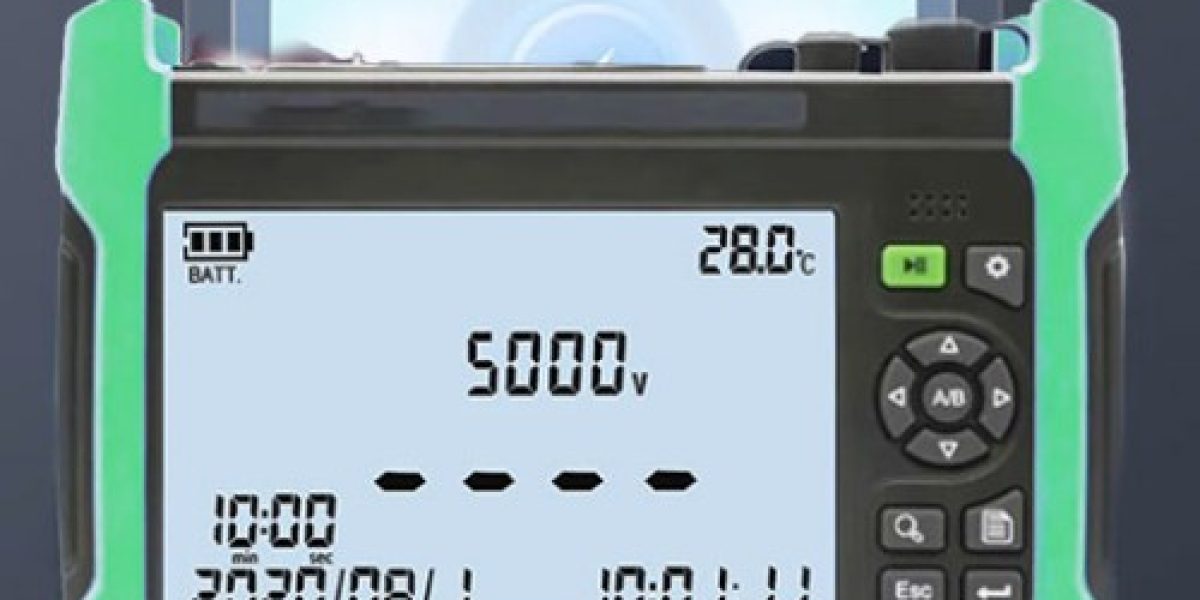
The portable and secure design is suitable for complex outdoor inspection scenarios of photovoltaics. The JW-J25 machine adopts a handheld compact body with a weight of only 1.1kg. It is equipped with insulation protection test probes and MC4 photovoltaic dedicated adapter wires, which can be directly connected to component connectors, making wiring operations simple and convenient; The body shell is double insulated for protection, with a high brightness safety warning screen throughout the high-voltage testing process, automatic sound and light alarms for exceeding the range and leakage limits, reminding operation and maintenance personnel to promptly handle the fault location. Protection level IP54, dustproof and waterproof, stable operation during outdoor temporary inspections in rainy and snowy weather; Equipped with a large capacity lithium battery, it can continuously complete 500 complete insulation tests when fully charged. It can be used for round the clock inspections in remote and non urban photovoltaic areas without the need for external power supply. The Type-C universal fast charging design makes charging convenient. The body is equipped with a 3.5-inch backlit high-definition display screen, with clear and readable values in strong light and low light environments at night. It features fully Chinese operation buttons, one key gear switching, and automatic recording of insulation resistance, voltage, and grounding test results without the need for manual paper and pen recording.
The intelligent data storage and traceability function meets the digital management needs of photovoltaic operation and maintenance. It can store thousands of sets of detection records locally, and each data is automatically labeled with test gear, measured resistance, open circuit voltage, and detection time; Supports USB data export, with PC management software that can generate standardized electrical safety inspection reports. The reports clearly indicate insulation failure points and fault types, which are used for archiving power plant safety files, final acceptance reporting, and safety production inspection ledgers. The device supports custom setting of numerical thresholds. Operations personnel can set the insulation qualification lower limit according to project standards. If the detection value is lower than the threshold, it will automatically mark it as unqualified, quickly screen fault groups, accurately locate leakage and insulation damage points, and carry out targeted cable replacement, junction box sealing, and bracket grounding rectification work to eliminate photovoltaic electrical safety hazards from the source.
Currently, JW-J25 has been widely used in photovoltaic engineering installation enterprises, power station operation and maintenance companies, power grid acceptance and testing institutions, and new energy safety supervision units. Multiple operation and maintenance companies have reported that the use of JW-J25 has significantly improved the efficiency of electrical safety inspections, with a coverage rate of insulation leakage hazard investigation approaching 100%, effectively preventing safety accidents such as electric shock and fire, and reducing the loss of power generation caused by insulation failures; The third-party acceptance agency of the power grid has listed it as a designated equipment for photovoltaic grid connected insulation testing, and the testing data meets the safety acceptance standards of the power grid.
Jiangsu Jingwei has always adhered to the research and development of photovoltaic electrical safety testing technology. The JW-J25 portable insulation resistance tester is tailored around photovoltaic high-voltage direct current systems, integrating high precision, multifunctionality, high safety, and portable intelligence, and comprehensively building a photovoltaic power station electrical safety protection testing system. In the future, enterprises will continue to improve the photovoltaic safety inspection product matrix, promote multi device data linkage and interoperability, safeguard the long-term safe and stable operation of photovoltaic power plants with domestically produced reliable inspection equipment, and help promote the high-quality development of the new energy industry's safety production.
Multi functional comprehensive electrical appliances, AC/DC withstand voltage insulation grounding tester, AC/DC withstand voltage insulation resistance grounding resistance conductivity tester