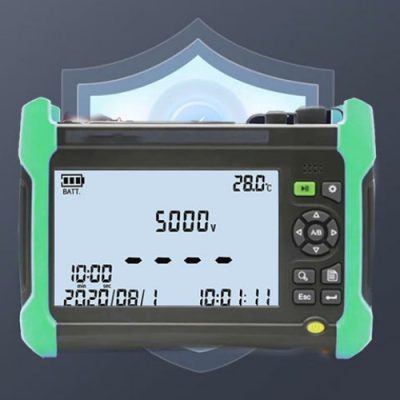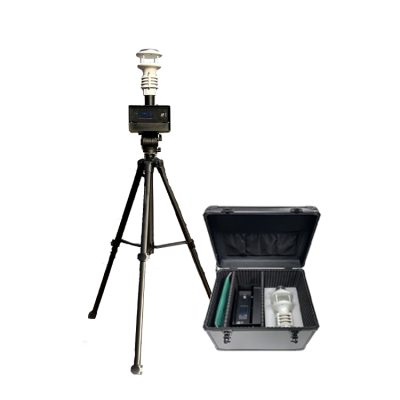


In the current context of the continuous deepening of the dual carbon strategy and the large-scale development of the photovoltaic industry, diversified projects such as centralized ground power stations, household distributed systems, agricultural photovoltaic complementarity, and mountain photovoltaics continue to be implemented. Performance verification of photovoltaic modules and strings has become a core requirement for power station acceptance, daily operation and maintenance, and fault diagnosis. For a long time, there have been many pain points in on-site testing in the industry: traditional desktop IV testers are bulky, rely on fixed mains power, and cannot enter complex sites such as rooftops and mountainous areas; Simple handheld devices have large measurement errors and cannot fully output I-V and P-V characteristic curves; The detection data cannot be synchronized to match irradiance and component temperature, and there is a lack of environmental benchmarks for performance judgment. A large number of hidden faults such as power attenuation, hidden cracks, diode failures, and virtual soldering are difficult to accurately locate, resulting in continuous loss of power generation and rising operation and maintenance costs. Jiangsu Jingwei Technology has been deeply involved in the field of photovoltaic optoelectronic testing for many years. Relying on self-developed high-speed sampling and four wire measurement technology, it has launched the JW-IV12 portable IV tester, which has four core advantages: lightweight body, millisecond level high-speed scanning, full parameter synchronous acquisition, and intelligent data analysis. It has built a mobile photovoltaic performance diagnostic center, connected the entire application chain of photovoltaic module factory sampling, construction site arrival acceptance, stock power station inspection, and third-party testing, and reshaped the efficiency and accuracy benchmark of photovoltaic on-site testing. Current voltage power curve detector
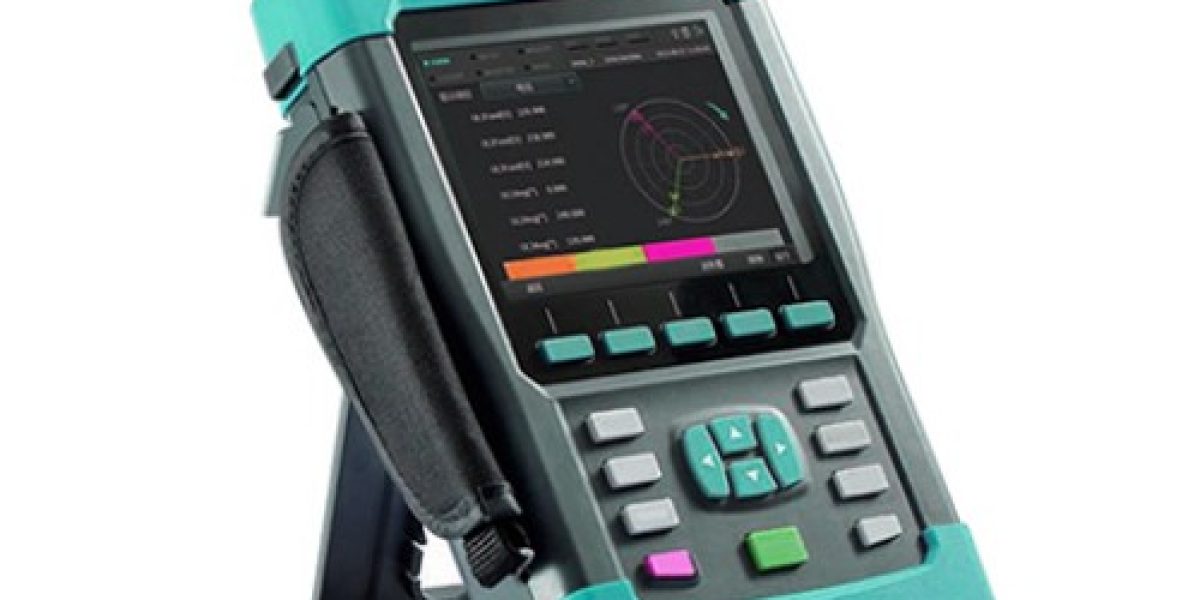
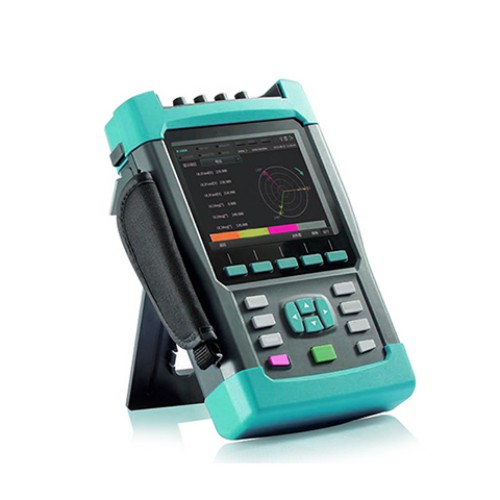
JW-IV12 has achieved a comprehensive upgrade in core measurement technology, equipped with a 16 bit high-precision AD conversion chip and a dual core high-speed processing unit. It adopts an industry mature four wire separation measurement circuit, completely eliminating data deviation caused by contact resistance of wiring fixtures. The fill factor FF calculation error is controlled within 0.5%, achieving laboratory level measurement standards. The device supports a maximum DC voltage of 1500V and a current range of 30A, and is fully compatible with 182/210mm large-sized single and double glass components TOPCon、HJT、 All categories of photovoltaic products, including stacked tiles and thin films, can be tested with just one click for both individual modules and entire strings. Unlike traditional devices that require tens of seconds for scanning, the JW-IV12 achieves a 5-second high-speed full range scanning, fully outputting more than 20 core electrical parameters such as open circuit voltage Voc, short-circuit current Isc, maximum power Pmax, series resistance Rs, and parallel leakage resistance Rsh. It synchronously generates high-definition I-V and P-V characteristic curves, with clear inflection points that can intuitively identify various performance defects such as component hot spots, local occlusion, PID attenuation, and bypass diode damage. Without the need for operators to have deep professional skills, the root cause of the fault can be quickly determined based solely on the curve shape.
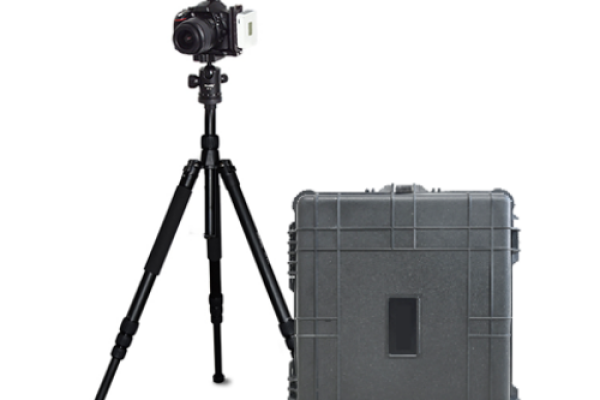
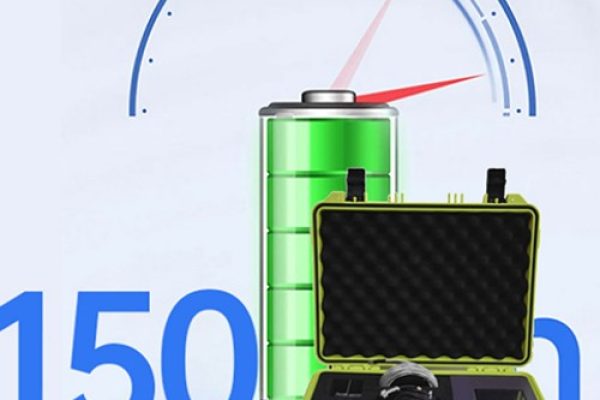
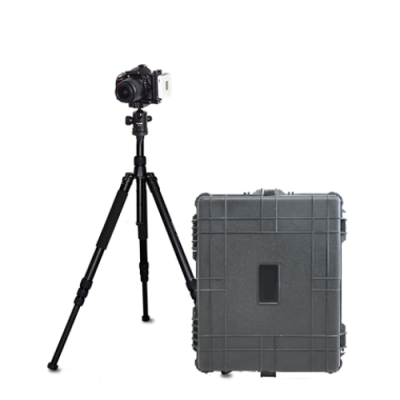
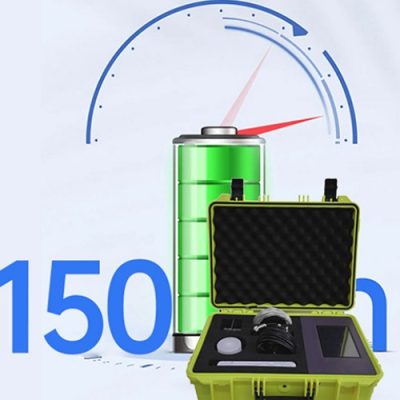
For complex outdoor work environments, JW-IV12 integrates high-precision irradiation sensing and surface mounted temperature acquisition modules. The detection process synchronously records the on-site solar irradiance and component backplate temperature. It has a built-in national standard irradiation power compensation algorithm, which automatically converts the measured power to STC standard testing conditions, solving the problem of performance judgment distortion caused by outdoor lighting and temperature fluctuations. The detection report has complete metrological traceability, fully meeting the requirements of photovoltaic project completion acceptance and third-party quality inspection agency compliance certification. The equipment adopts an industrial grade three proof integrated body, matched with a pull rod type protective aviation box. The total weight of the whole set is less than 7.5kg, and it can be carried and dragged by a single person without the need for multiple people to cooperate in handling; The body protection level reaches IP54, dustproof, waterproof, and anti vibration. It can operate stably on rugged mountain roads, outdoor rainy and snowy temporary operations without the need to build shading and insulation facilities. It can be turned on for testing upon arrival at the site. The body is equipped with a 5-inch high-definition touch color screen, with strong outdoor visibility, a fully Chinese visual operation interface, simple functional zoning, support for single key start automatic detection, real-time curve playback, and highlighted fault parameters; Equipped with a Type-C fast charging interface and a large capacity built-in lithium battery, it can complete more than 300 complete tests continuously when fully charged. There is no need for external power supply in remote and non urban photovoltaic areas, and the battery life is worry free for all day inspections.
Intelligent data management is the distinguishing core highlight of JW-IV12, with a built-in large storage module that can store tens of thousands of complete detection data and curve images offline, allowing for batch inspection without the need for real-time computer connection; Supports dual transmission modes of USB wired and Bluetooth wireless, with one click export of Excel standardized testing reports after completion of testing. The reports automatically label equipment numbers, component numbers, testing time, environmental parameters, all electrical indicators, and defect analysis conclusions. They can be directly used for power plant operation and maintenance archives archiving, project acceptance review, and insurance loss assessment. The equipment is equipped with PC data analysis software, which supports performance comparison of multiple batches of components, automatic calculation of attenuation trends, and batch fault statistics. Operation and maintenance personnel can quickly locate low efficiency strings throughout the station, develop targeted cleaning, replacement, and maintenance plans, and effectively improve the overall power generation revenue of the power station.
The scale of existing power stations in the photovoltaic industry continues to expand, and refined operation and maintenance to reduce costs and increase efficiency has become a consensus in the industry. JW-IV12 has been widely applied in large-scale ground photovoltaic bases in northwest China, distributed projects on rooftops of factories in the Yangtze River Delta, complementary agricultural photovoltaic power stations in mountainous areas, and photovoltaic module production enterprises. The operation and maintenance team of a 300MW ground power station reported that after adopting Jiangsu Jingwei JW-IV12, the daily component detection volume increased by three times, the fault location accuracy increased by 95%, and the annual power generation loss caused by implicit performance defects was reduced by more than one million kWh; Multiple third-party testing agencies have made it a standard equipment for outdoor on-site testing, and with precise and compliant data output, it significantly shortens the project acceptance cycle.
Jiangsu Jingwei has always been guided by the real operational pain points in the photovoltaic industry. The JW-IV12 portable IV tester meets the three core requirements of portability, measurement accuracy, and intelligent data processing, breaking down the technical barriers between laboratory equipment and outdoor on-site testing. In the future, enterprises will continue to iterate photoelectric detection algorithms, improve multi device data interoperability systems, and create integrated photovoltaic detection solutions covering electrical performance, internal defects, and environmental monitoring. With independent core detection equipment, they will help promote high-quality development of the photovoltaic industry and provide solid technical support for the implementation of the dual carbon target.
Current voltage power curve detector, portable IV power tester for photovoltaic power plants, solar cell current voltage power