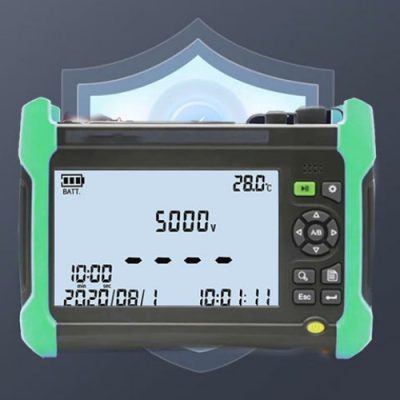


Internal hidden cracks, virtual welding, broken grids, black core pieces, and hot spot defects in photovoltaic modules are the core factors that restrict the power generation efficiency of power plants, shorten the service life of equipment, and induce safety hazards. Traditional fixed EL detection equipment can only be used in the darkroom of the factory building and cannot conduct on-site non-destructive testing on the installed photovoltaic arrays; Early portable EL devices had shortcomings such as blurred imaging, inability to operate under strong daylight, bulky equipment, reliance on manual image judgment, and insufficient battery life, which have long plagued the operation and maintenance of photovoltaic power plants, engineering acceptance, and component incoming quality inspection work. In order to break through the barrier of visual detection of internal defects throughout the life cycle of photovoltaic modules, Jiangsu Jingwei Technology has launched the JW-EL5 portable EL detector based on core self-developed technologies of infrared imaging and AI image recognition. It breaks through the limitations of day and night environments, and is equipped with an intelligent defect automatic recognition system to achieve all-weather on-site non-destructive testing of ground, roof, and water surface photovoltaics, becoming a benchmark product for lightweight EL detection in the field of photovoltaic quality control. Photovoltaic power station tester
The JW-EL5 core imaging system adopts an industrial grade high-sensitivity near-infrared imaging module, paired with a large aperture professional infrared filter lens, which can effectively filter out the interference of stray light from sunlight, light, and moonlight. Unlike similar devices that can only detect at night, it achieves high-definition imaging in both daylight and night scenes without the need to build a light blocking and dark shed. It can carry out testing on site and directly shorten the testing period of a single project by more than 60%. The imaging pixel reaches 24 million level, with micrometer level detail capture capability, which can clearly identify more than ten types of high incidence internal damages in industries such as 0.1mm subtle hidden cracks, subtle virtual welding, edge fragments, grid line fractures, inefficient black hearts, sintering defects, electrode pollution, etc. The imaging image has no noise or distortion, and the defect boundaries are clear and distinguishable, fully meeting the defect judgment standards for photovoltaic engineering acceptance. Equipped with a programmable constant current excitation power supply, the output voltage and current width can be adjusted, and it is suitable for various new types of photovoltaic modules such as 182mm and 210mm full-size single/double glass, double-sided, and stacked tile. The excitation output is stable without pulse fluctuations, ensuring uniform imaging effects and avoiding defect detection caused by unstable power supply.
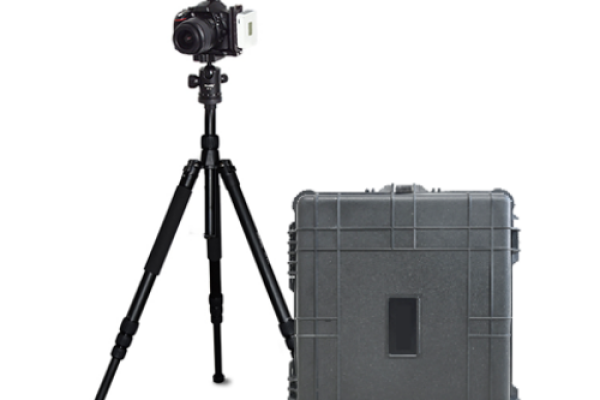
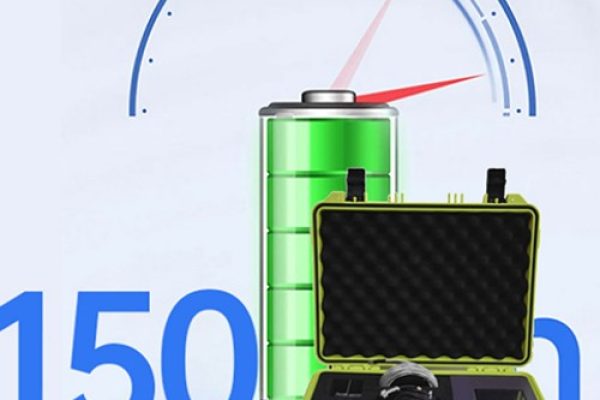
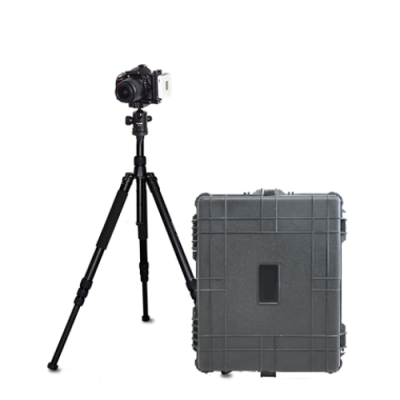
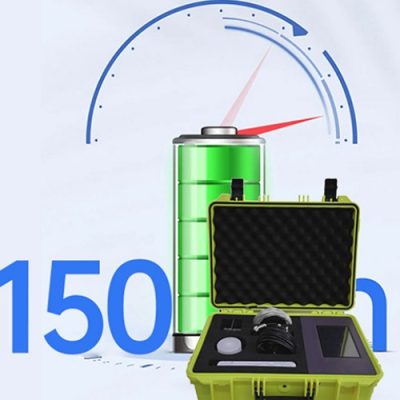
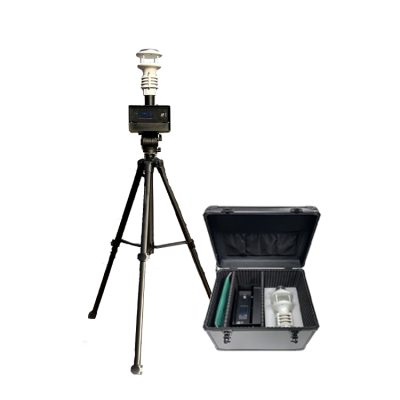
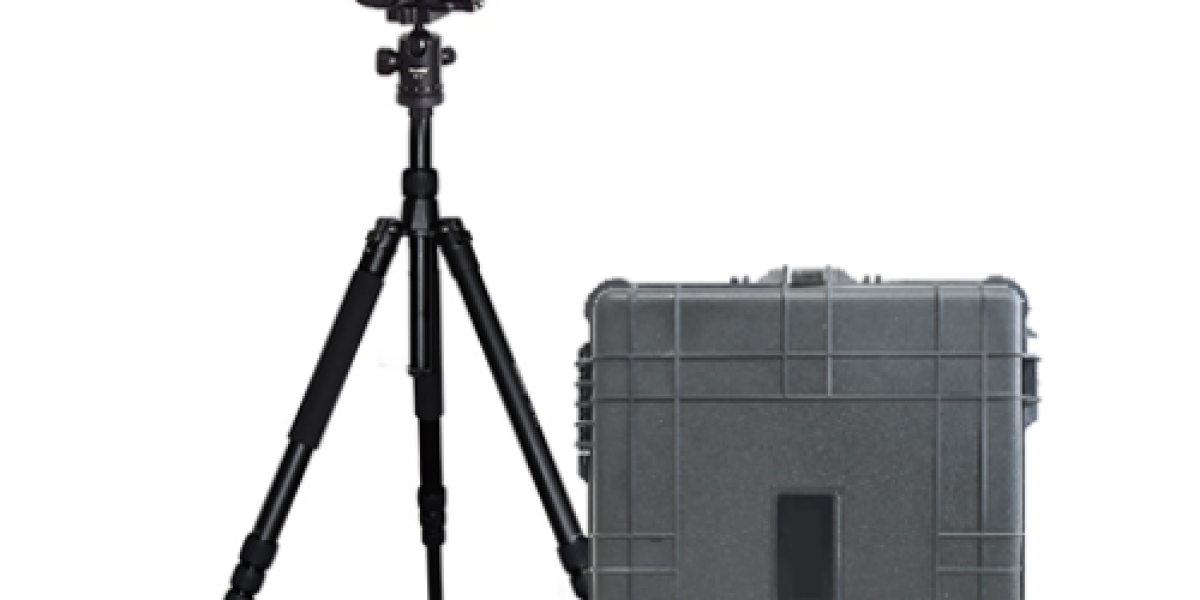
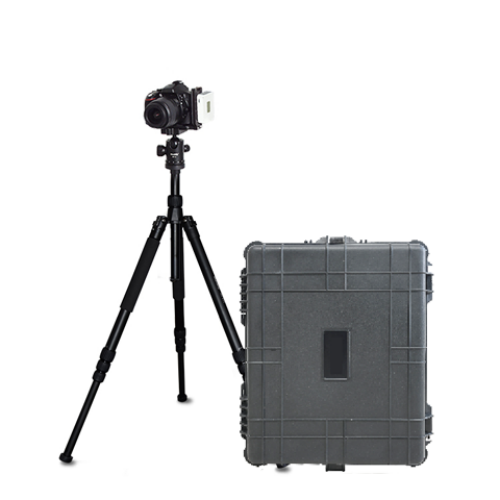
Portable design is the core differentiation advantage of JW-EL5. The entire set of equipment includes an imaging host, intelligent excitation power supply, carbon fiber telescopic tripod, and integrated pull rod protective box. The total weight of the set is 8.3kg. The pull rod box is designed with rollers, making it easy for a single person to drag and transport. It can be easily installed in complex confined spaces such as roofs, mountains, and floating photovoltaics without air transportation restrictions. The third-party testing agency has strong adaptability for cross regional mobile operations. All components of the body are made of industrial three proof materials, with an IP65 dustproof and waterproof protection level. It can operate stably in rainy and dusty outdoor areas; The incentive power supply is equipped with a high-density and safe lithium battery, which can continuously complete EL imaging detection of 300 components with a single full charge. Remote areas without electricity and photovoltaic fields can be inspected all day without external power supply. The tripod is made of lightweight carbon fiber material, with freely adjustable height, suitable for installation of various components such as high supports, low roofs, and flat floors. It can shoot from multiple angles without detecting blind spots.
The intelligent AI automatic recognition function significantly reduces the professional threshold for personnel. The equipment is equipped with a self-developed million level defect sample training AI analysis engine. The imaging acquisition is completed instantly and the image analysis is automatically completed. The system accurately distinguishes between minor defects and structural damage in the process, automatically annotates the defect location, size, type, and hazard level, and does not require operation and maintenance personnel to rely on years of experience to manually read images one by one. Zero basic operators can independently complete batch testing operations in one hour of training. The device is equipped with a 10 inch wireless touch tablet, which supports remote wireless image transmission control. High altitude detection does not require standing up close, reducing the safety risk of falling from high altitude; Built in large capacity local storage, capable of storing tens of thousands of original EL imaging images, supporting USB drive export, wireless synchronous transmission from mobile phones/computers, and supporting professional reporting software to automatically generate standardized testing documents. Images, defect lists, component numbers, and testing times are fully archived, and reports can be directly used for project completion acceptance, component warranty claims, and power plant health assessment traceability vouchers.
The ability to adapt to the entire scene enables JW-EL5 to cover the full process testing needs of the photovoltaic industry: component production enterprises conduct incoming and incoming inspections to screen out defective components in advance; Completion acceptance of photovoltaic power station project, on-site investigation of hidden cracks and fragments caused by installation and transportation; Annual maintenance and physical examination of existing photovoltaic power plants, tracking the long-term expansion of hot spots and hidden cracks; Household and commercial distributed photovoltaic on-site inspection, quickly identifying the root cause of power generation attenuation; Third party appraisal of warranty disputes in photovoltaic equipment, providing clear and intuitive defect imaging evidence; Outdoor comparative testing of new battery cells and components development laboratory, collecting internal loss data under real working conditions.
Jiangsu Jingwei R&D team introduced that JW-EL5 has completed more than ten rounds of iterative optimization to address industry pain points feedback from frontline testing personnel. It has polished imaging modules, power supply systems, body structures, and intelligent algorithms in all aspects, taking into account laboratory level testing accuracy and outdoor mobile operation convenience. All equipment undergoes continuous 48 hour power on imaging stability testing and high and low temperature environment simulation calibration before leaving the factory. The entire machine comes with a 2-year free warranty, and technical service outlets have been established in multiple regions across the country to provide on-site installation and debugging, practical training, and regular calibration full process after-sales support.
In the context of the continuous expansion of the photovoltaic stock market and the surge in demand for refined operation and maintenance, portable EL detection equipment that can operate outdoors 24/7 has become a must-have in the industry. Jiangsu Jingwei JW-EL5 portable EL detector has four core advantages: high-definition imaging, day and night compatibility, lightweight body, and AI intelligent image judgment. It fills the gap in non-destructive testing of internal defects in photovoltaic sites, helps photovoltaic practitioners quickly identify hidden faults in components, reduce power generation revenue loss, avoid hot spot fire safety risks, and continues to safeguard the high-quality and safe development of the photovoltaic industry with independently developed testing equipment.
Photovoltaic power station tester, solar cell testing equipment, outdoor photovoltaic power station tester