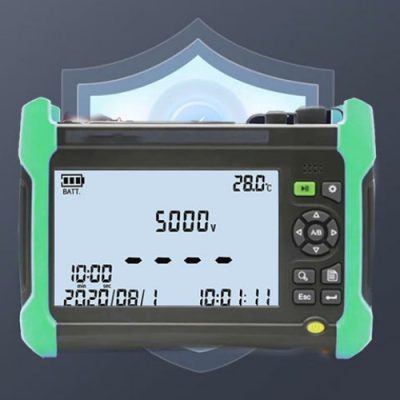

Solar irradiance is a core benchmark parameter for calculating the power generation of photovoltaic power plants, verifying component power, diagnosing operation and maintenance losses, and evaluating project solar energy resources. Deviation in irradiance measurement data can directly lead to distortion in STC power conversion, errors in calculating power plant efficiency PR values, and misjudgment of operation and maintenance plans. The ordinary irradiation equipment on the market has shortcomings such as insufficient sensor accuracy, weak environmental adaptability, single function, and inconvenient multi-point mobile measurement, making it difficult to adapt to the measurement needs of the photovoltaic industry chain in multiple scenarios. Jiangsu Jingwei Technology relies on the accumulation of precision sensing and intelligent compensation algorithm technology to develop the JW-F04 portable irradiance meter. It adopts a secondary standard thermopile spectral sensor and integrates multiple advantages such as multi parameter synchronous acquisition, flexible measurement in separate form, ultra long endurance, and intelligent data management. It has become an essential basic equipment for photovoltaic resource survey, power station acceptance, daily operation and maintenance, and third-party measurement and testing. Portable irradiation system dosimeter
JW-F04 is equipped with industry high standard secondary standard thermopile sensors, with spectral response curves perfectly matching the photosensitive band of photovoltaic modules. It can synchronously measure five core parameters: total irradiance, scattered radiation, reflected radiation, ambient temperature, and module backplate temperature. The irradiance measurement range covers 0-2000W/㎡, with a measurement accuracy of better than ± 3%. It has built-in temperature and humidity intelligent compensation algorithms, which automatically eliminate measurement drift errors caused by high and low temperatures and air humidity. The measurement data can be directly used as compliance benchmark data for power plant acceptance and testing reports. The equipment supports synchronous linkage IV testing instrument to collect irradiation and component electrical performance data synchronously, and completes power conversion from on-site working conditions to standard STC working conditions with one click, solving the double error caused by separate measurement and manual recording conversion, greatly improving the accuracy and efficiency of power station completion verification and component power sampling work. The device is equipped with a professional data analysis program that automatically generates a full day irradiation change curve, peak sunshine duration statistics, and solar energy resource assessment report, presenting the site's solar energy distribution characteristics intuitively. This provides a scientific and quantitative basis for the early site selection, component inclination optimization, and installed capacity ratio of photovoltaic power plants.
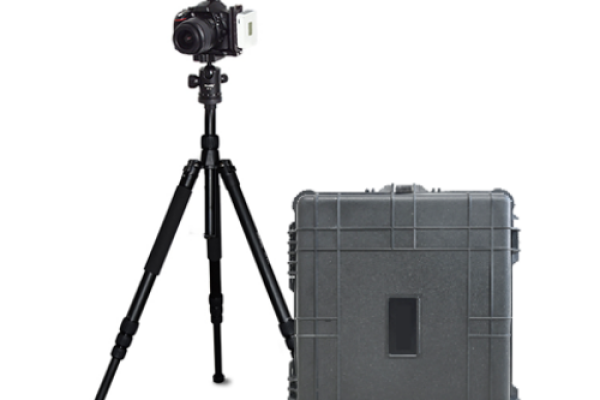
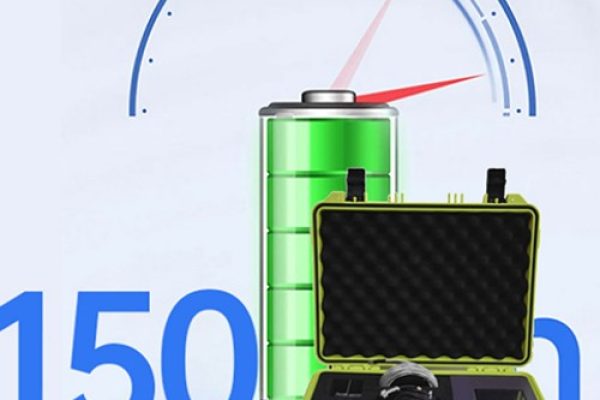
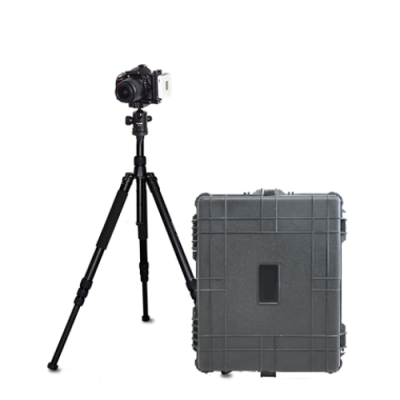
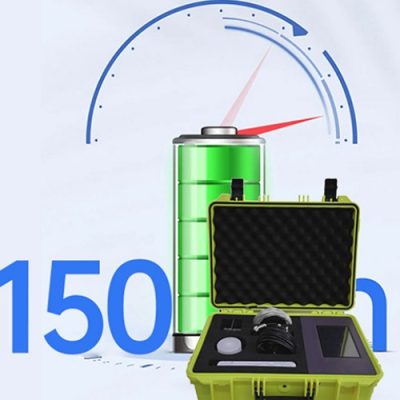
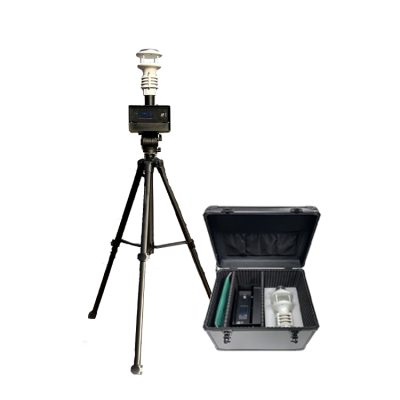
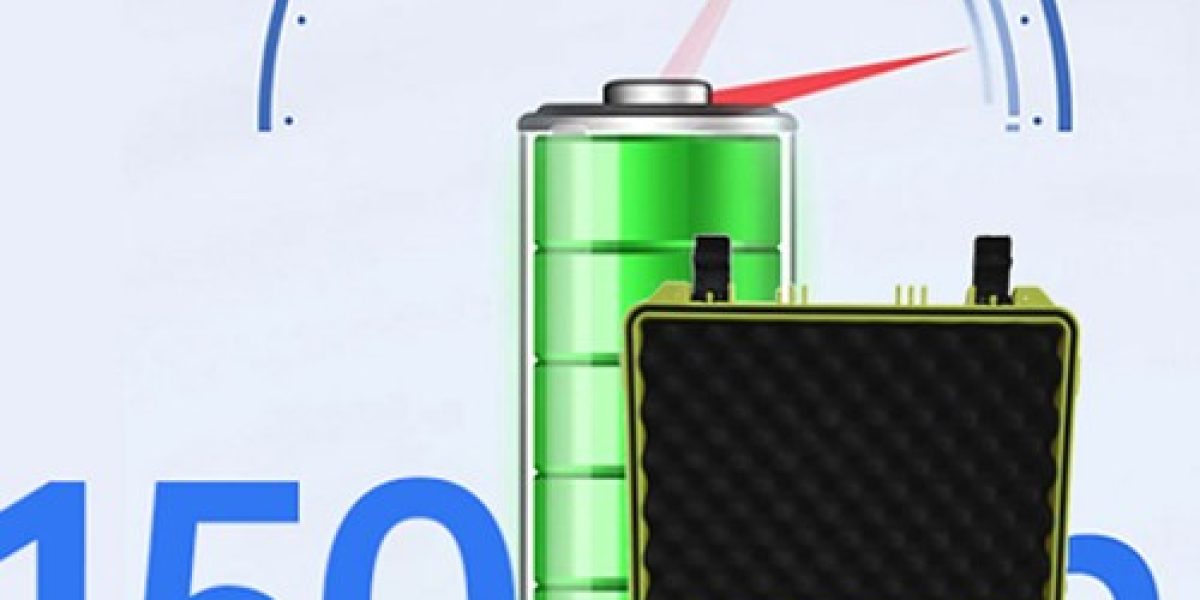
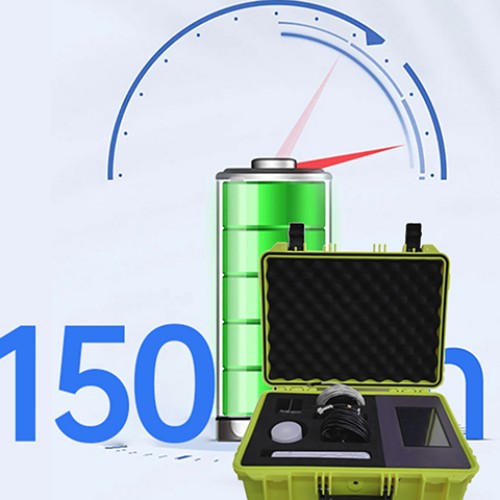
The device adopts a split type lightweight and portable structure, with a host weight of only 3.5kg. The sensor is connected to the host through a 5-meter extension cable, which can smoothly fit the inclined component surface. It is suitable for various irregular installation scenarios such as distributed roofs, mountains, and floating water surface photovoltaics. The host can be operated handheld or fixed on a tripod for long-term fixed-point monitoring. The whole machine is equipped with IP67 high level dust and waterproof protection, and the probe is equipped with anti condensation and anti dust protective covers. It has a wide working temperature range of -40 ℃ to 80 ℃, and can stably cope with extreme weather conditions such as high temperature and sandstorms in the northwest desert, high humidity and rainfall in the southern coastal areas, and low temperature and oxygen in the plateau. The operating end is equipped with a high-definition outdoor visual LCD screen, which displays data clearly under strong light. It supports peak value locking of measurement values, quick retrieval of historical data, and simple operation logic in Chinese. Zero basic staff can operate proficiently in a short time without the need for complex professional training. The battery life is suitable for long-term field survey needs, with a built-in large capacity lithium battery that can continuously collect data offline for 150 hours on a single charge. It supports 24-hour uninterrupted operation of external power supply for long-term fixed-point monitoring scenarios, and can store complete irradiation data locally throughout the year. It also supports 4G wireless data remote uploading to cloud platforms. Multiple devices can be networked to synchronously collect irradiation values in different areas of the power station, accurately analyzing power generation losses caused by local obstruction, dust accumulation, and orientation differences.
Since its launch on the market, the JW-F04 portable irradiance meter has been widely used in various stages of the entire lifecycle of photovoltaic projects: in the early resource survey stage, staff carry equipment to collect solar energy data from multiple points, optimizing the overall design scheme of the power station; In the completion acceptance stage, cooperate with the IV tester to complete the actual power verification of the components and check whether they meet the nominal standards of the contract; During the daily operation and maintenance phase, by comparing multiple irradiation values, quickly locate power generation losses caused by dust accumulation, bracket displacement, and tree obstruction, and develop precise cleaning and adjustment operation and maintenance plans; At the same time, a large number of third-party photovoltaic testing institutions are provided as standardized measurement auxiliary equipment to support the issuance of compliance testing reports. The Jiangsu Jingwei marketing team stated that JW-F04 fills the gap in the high-end portable high-precision irradiation measurement equipment market and can be used in conjunction with the brand's full set of photovoltaic detection instruments to form a complete photovoltaic performance testing data chain. In the future, enterprises will continue to optimize sensor calibration algorithms, expand spectral segmentation measurement functions, and provide accurate and reliable basic measurement tools for refined energy efficiency management and digital operation and maintenance in the photovoltaic industry, helping the new energy industry achieve efficient and sustainable operation.
Portable irradiation system thermometer, portable photovoltaic PR testing system, photovoltaic performance evaluation tool