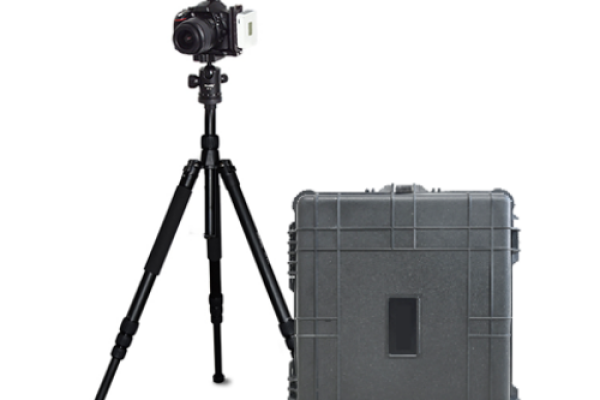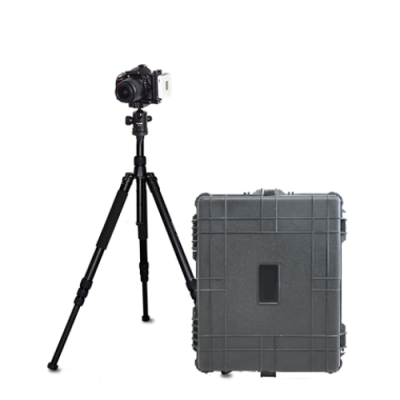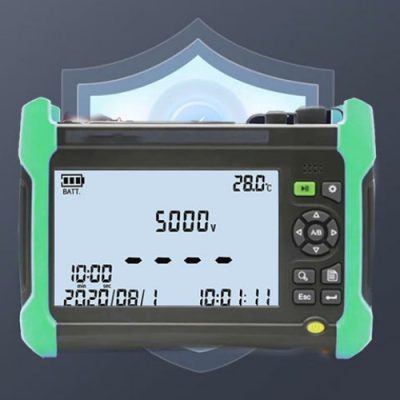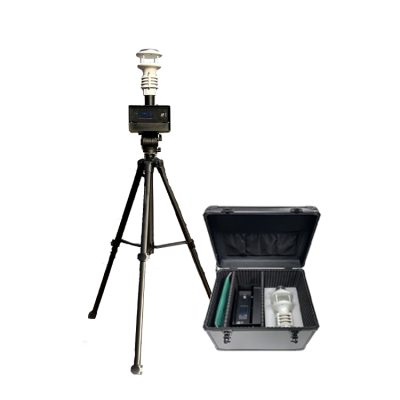


With the comprehensive expansion of the domestic photovoltaic industry, the demand for on-site performance verification of photovoltaic modules and strings has exploded due to the simultaneous acceleration of household distributed, mountainous agricultural photovoltaic complementarity, and large-scale ground power stations. Traditional desktop IV testing equipment is bulky, relies on fixed power supply, and has a cumbersome testing process, making it difficult to adapt to outdoor scenarios such as rooftop climbing, remote mountainous areas, and rapid post disaster assessments. This has long constrained the efficiency of photovoltaic operation and maintenance, third-party testing, and engineering acceptance work. Jiangsu Jingwei Technology, which specializes in the research and development of photovoltaic testing instruments, has launched the JW-IV13 portable IV tester based on years of experience in optoelectronic performance testing technology. With four core advantages: lightweight body, micrometer level high-precision sampling, adaptive algorithm for all operating conditions, and intelligent data management, it creates a portable mobile photovoltaic performance diagnostic center, providing an integrated solution for on-site testing of all types of photovoltaic power plants and redefining the industry standard for outdoor IV curve testing. Outdoor IV tester
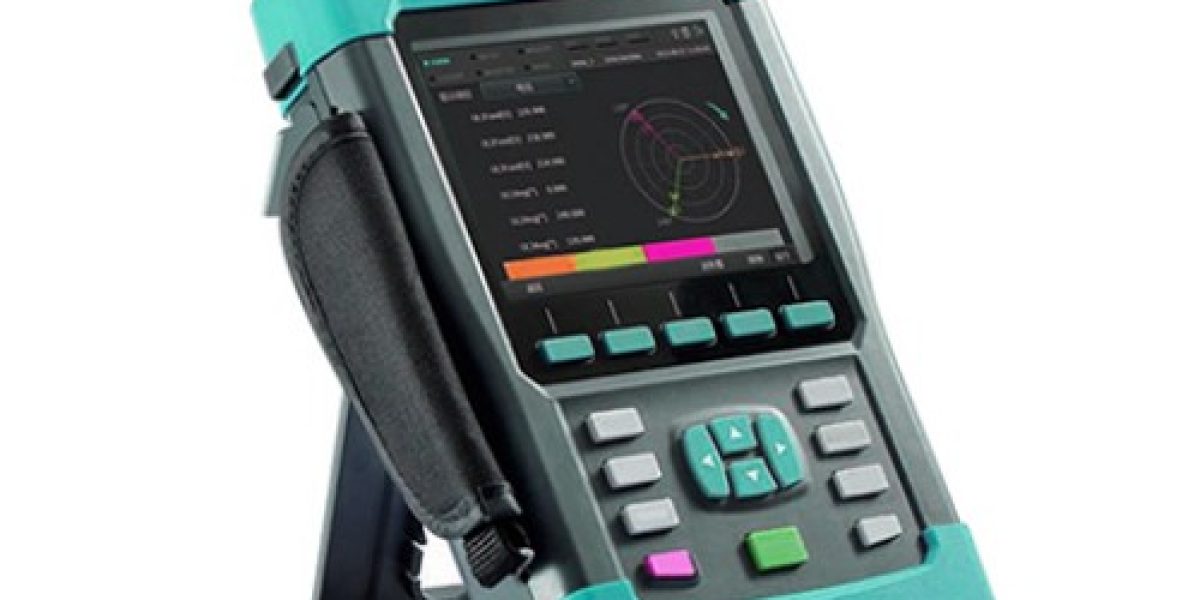
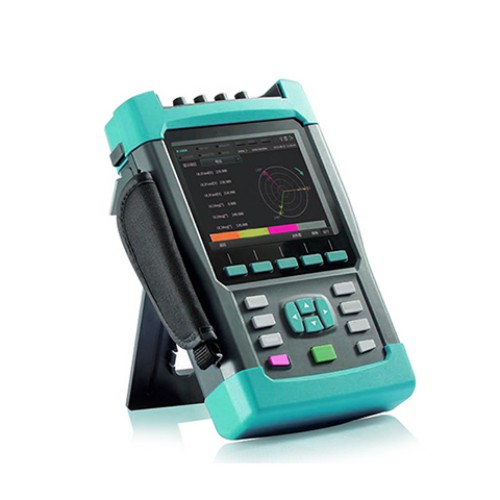
The current photovoltaic market is experiencing accelerated technological iteration, TOPCon、HJT、 The parallel application of perovskite stacks and traditional polycrystalline single crystal components results in a wide range of voltage and current intervals for different specifications of string configurations. Old portable IV devices commonly suffer from range adaptation issues, large STC standard conversion errors, unclear screen visibility under strong light, and insufficient battery life. The Jiangsu Jingwei R&D team has completed dozens of rounds of iterative optimization to address the pain points of frontline operations and maintenance personnel. The JW-IV13 has been upgraded comprehensively from hardware architecture to software algorithms. The whole machine adopts a high-strength waterproof and shockproof engineering chassis integrated packaging, removing redundant accessories. The weight of the host is controlled at 2.1kg, and it is equipped with an ergonomic handle and a portable storage backpack. It can be easily carried by a single person to climb roofs and shuttle mountain photovoltaic arrays, without the need for multiple people to cooperate in handling, greatly reducing labor consumption in the field. The device is equipped with a 7-inch capacitive touch screen that can be viewed under sunlight, paired with a dual operation mode of physical shortcut buttons. The data curve is clear and readable in strong noon light, rainy and dim environments. The all Chinese operation interface has a minimalist logic, and zero basic operation and maintenance personnel can proficiently complete the entire testing process in half an hour, greatly reducing the threshold for professional operation.
In terms of core detection performance, JW-IV13 is equipped with a 16 bit high-precision AD conversion chip and a dual core high-speed processing unit, achieving microsecond level synchronous data sampling. The voltage range covers 10V-1000V, perfectly adapting to the full specification testing of single components to high voltage strings. The voltage detection accuracy can reach ± 0.3% ± 0.1V; the current detection range is 0.05A-30A, and the current accuracy is better than ± 0.4% ± 0.02A. The maximum power point repeated testing error is controlled within ± 0.5%, and the power measurement error under STC standard testing conditions is less than ± 2%. The performance indicators far exceed similar portable devices in China and comply with authoritative standards for photovoltaic detection such as IEC61215 and IEC61853. The instrument can generate complete I-V and P-V characteristic curves with one click, automatically calculate more than ten core electrical parameters such as open circuit voltage, short-circuit current, peak power, fill factor, series and parallel internal resistance, and accurately capture hidden power generation faults such as component attenuation, bypass diode damage, poor line contact, and string mismatch, breaking free from the limitations of manual appearance inspection and accurately locating the root cause of efficiency loss.
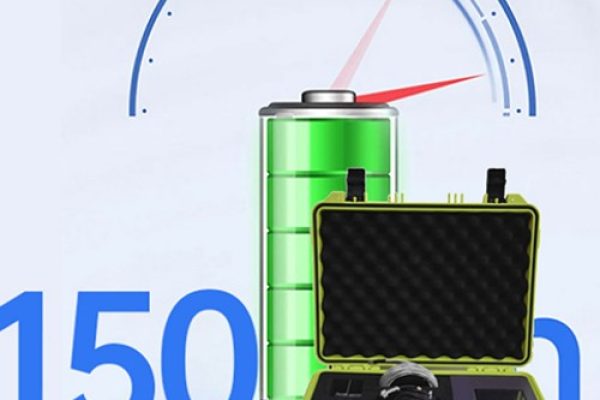
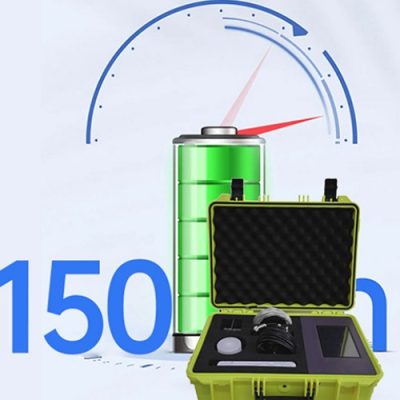
To adapt to all-weather outdoor long-term operations, JW-IV13 is equipped with a large capacity rechargeable lithium battery, which can continuously complete more than 300 complete string tests when fully charged. Paired with a Type-C fast charging interface, on-site power banks and vehicle power supplies can be quickly recharged, freeing them from the constraints of mains power. The device integrates an external irradiation and temperature sensor synchronous acquisition interface, which detects electrical performance while synchronously recording real-time irradiance and component backplane temperature. It has a built-in dedicated illumination temperature compensation algorithm, which automatically eliminates data deviations caused by fluctuations in environmental parameters in the morning, evening, cloudy, and cloudy days, ensuring that the detection results at different time periods have horizontal comparison value. The body has an IP65 waterproof and dustproof protection level, and can operate stably in complex environments such as high salt spray along the coast, sandstorms in deserts, and rainy and humid mountainous areas. It is not afraid of outdoor harsh working conditions that may damage equipment life.
Intelligent data management is another core highlight of JW-IV13, which automatically stores all curve and parameter data after testing is completed. The local machine can store tens of thousands of testing records, and supports one click export of PDF standardized testing reports from USB drives. The reports automatically label the power station location, testing time, environmental parameters, and component models, and the data is complete and traceable, perfectly adapting to the needs of project completion acceptance, third-party testing agency archiving, and annual operation and maintenance evaluation of power stations. The device is equipped with a wireless Bluetooth transmission module, and the detection data can be synchronized in real time to mobile phones and tablet terminals. The operation and maintenance personnel can view and share the detection results on site without returning to the office to export data, greatly reducing the response cycle for fault rectification. At the same time, the instrument reserves software upgrade interfaces, and Jiangsu Jingwei provides lifelong free algorithm updates to continuously adapt to the testing needs of new and efficient photovoltaic modules, extending the equipment's service life and reducing customers' later procurement costs.
At present, Jiangsu Jingwei JW-IV13 portable IV tester has been launched in bulk in the national market, widely used in various scenarios such as household photovoltaic home acceptance, operation and maintenance of industrial and commercial rooftop power stations, inspection of large ground photovoltaic bases, third-party photovoltaic quality testing, and outdoor field testing by component manufacturers. According to feedback from multiple photovoltaic operation and maintenance enterprises, the use of this equipment has increased the efficiency of single panel component detection by more than 70%, significantly improved the accuracy of fault location, and significantly reduced the labor and time costs of operation and maintenance. The technical director of Jiangsu Jingwei stated that the company has always focused on the urgent needs of photovoltaic industry chain testing, adhered to independent core technology research and development, and will continue to optimize the performance of portable testing equipment in the future. At the same time, it will expand the supporting intelligent analysis cloud platform, create a photovoltaic testing system covering the entire life cycle of power plant site selection, construction acceptance, daily operation and maintenance, and scrap evaluation, and use high-precision, highly portable, and highly intelligent instruments to help the high-quality development of the domestic photovoltaic industry and safeguard the steady implementation of the dual carbon goals.
Outdoor IV tester, current voltage power curve detector, portable IV power tester for photovoltaic power plants