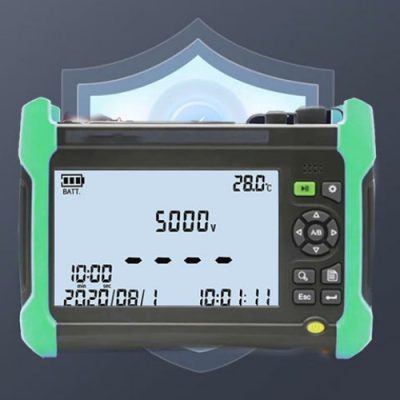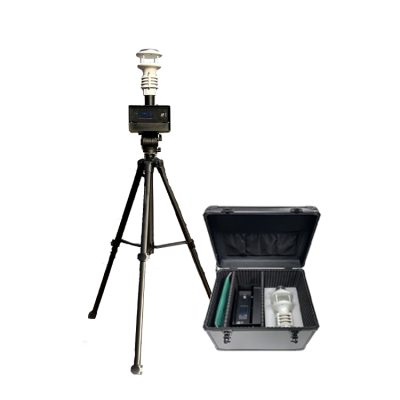


Photovoltaic modules are the core components of photovoltaic power generation systems, and their quality directly determines the overall power generation and service life of the power station. During production, transportation, installation, and long-term operation, hidden defects such as hidden cracks, broken grids, virtual soldering, and fragments in battery cells are prone to occur. These problems cannot be recognized by the naked eye, but gradually lead to a decrease in success rate and even pose safety hazards. Electroluminescence detection is currently the most effective technical means for identifying internal defects in components. Jiangsu Jingwei Technology has combined industry pain points to launch the JW-EL2 portable EL detector, which relies on mature imaging technology and portable design to achieve visual detection of component defects and build a solid defense line for quality control throughout the entire lifecycle of photovoltaic modules. Photovoltaic power station tester
EL detection captures the luminous state of battery cells based on the principle of proximity infrared imaging, in order to determine whether there is internal damage. Imaging clarity and recognition accuracy are the core indicators for evaluating the quality of equipment. The JW-EL2 portable EL detector is equipped with a high-sensitivity near-infrared imaging sensor and a professional optical lens, with delicate imaging quality. It can accurately identify micro level micro defects such as hidden cracks, broken grids, and poor sintering, and its detection ability far exceeds conventional detection equipment. The device is equipped with an intelligent image processing module, which has functions such as autofocus, dark light enhancement, and noise filtering, effectively resisting external light interference. Whether it is a strong light environment during the day or a weak light scene at night, it can capture clear and noise free imaging images, ensuring the authenticity and effectiveness of detection results. The system can automatically label defect locations, distinguish defect types, and count defect quantities, eliminating the tedious process of traditional manual image by image screening and doubling the efficiency of detection work.
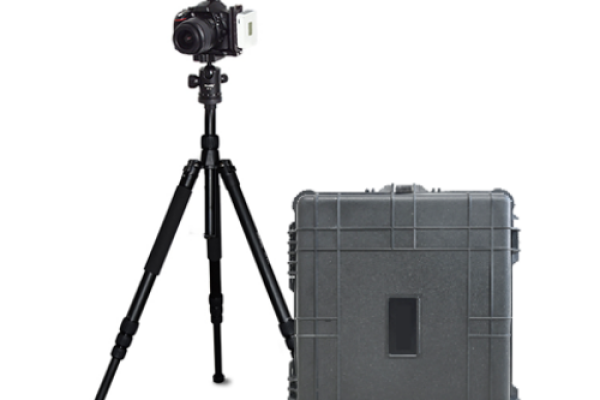
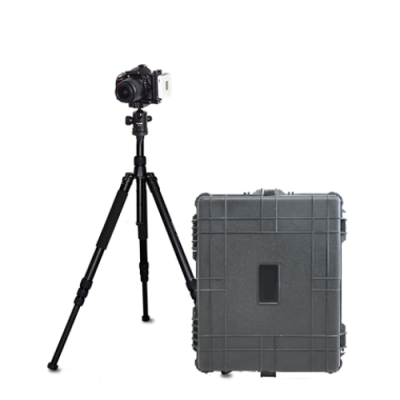
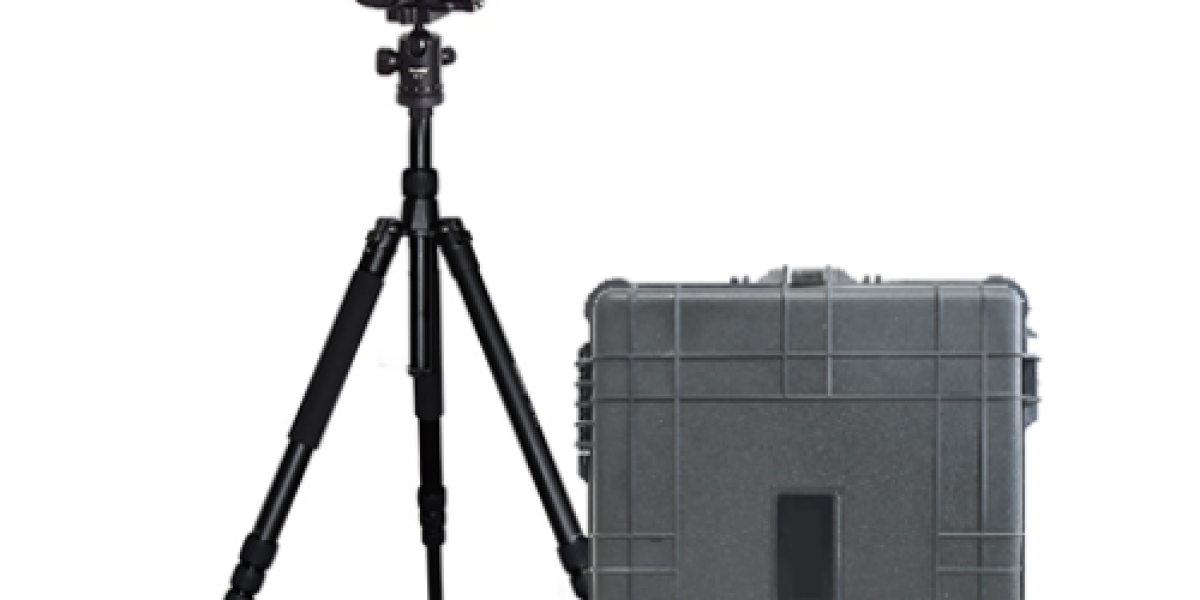
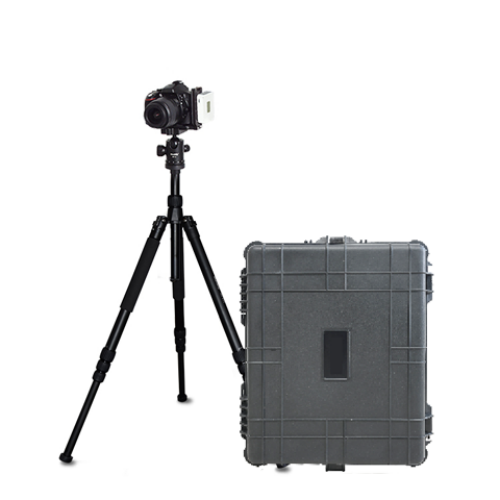
Traditional large-scale EL detection equipment has a large volume and complex installation, and can only be fixed for use in factories, which cannot meet the on-site detection needs of outdoor power plants. JW-EL2 adopts an integrated compact design, which highly integrates the imaging system, power module, and control terminal. The whole machine is lightweight and occupies a small area. It is equipped with a foldable bracket and a portable protective box, making it very convenient to move and carry. The equipment does not require complex installation and debugging, and can be put into use immediately after startup, flexibly adapting to various application scenarios: in the component production workshop, it can be used for production line sampling, finished product quality inspection, and controlling the quality of products leaving the factory; At the site of the photovoltaic power station, arrival acceptance, daily inspection, and screening of faulty components can be carried out; It is also applicable to laboratory research and development testing, third-party testing agencies sampling, and other work, truly achieving global mobile testing.
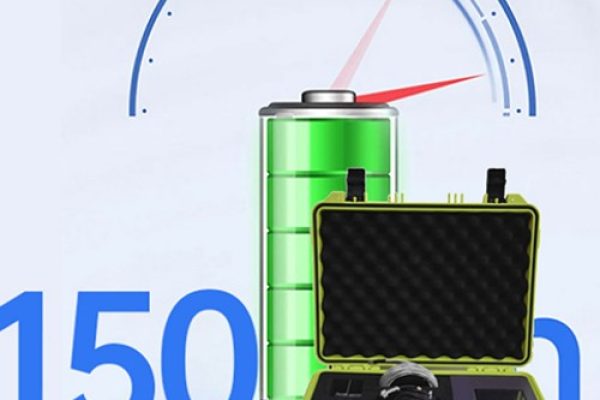
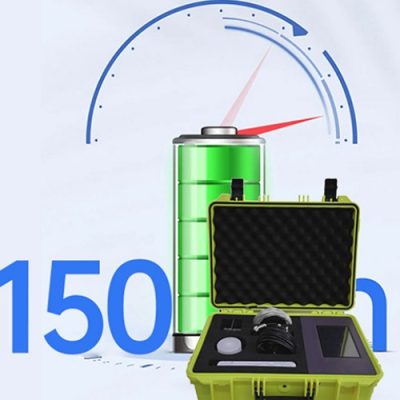
Outdoor operations have strict requirements for the endurance and environmental tolerance of equipment, and the JW-EL2 hardware configuration fully fits the actual usage scenario. The equipment is equipped with a large capacity lithium battery, which can support long-term continuous testing when fully charged, meeting the needs of large-scale component testing. At the same time, an external power interface is reserved, which can be connected to the mains for long-term operation. The body adopts industrial grade sealing technology, with dustproof, moisture-proof, shockproof, and anti drop characteristics, suitable for temperature and humidity environments in different regions, and can also operate stably in low-temperature, humid, and dusty outdoor environments. The device operation interface is simple and easy to understand, with a touch screen and Chinese menu. The operation steps are simplified, reducing the threshold for device use. Frontline operators can quickly get started and complete detection tasks quickly.
Jiangsu Jingwei Technology has a professional technical research and development team and a complete production quality inspection system, focusing on the research and manufacturing of photovoltaic testing equipment, with a deep understanding of industry development trends and actual customer needs. The JW-EL2 portable EL detector has been designed around the three core values of "precision, portability, and durability" since its inception. Through repeated testing and on-site trials, it has been continuously optimized, and the product quality and user experience have been continuously upgraded. At present, the device has entered numerous component manufacturing enterprises, photovoltaic operation and maintenance companies, and new energy laboratories across the country. With stable performance and accurate detection results, it has become the mainstream portable EL detection device in the industry.
The quality control of photovoltaic modules is the foundation for the stable development of the photovoltaic industry, and the investigation of hidden defects is of utmost importance. In the future, Jiangsu Jingwei Technology will continue to deeply cultivate the field of EL detection technology, constantly explore and innovate, improve the level of equipment intelligence and detection accuracy, and continuously polish product details. Adhere to customer needs as the center and technological innovation as the driving force, use high-quality testing equipment to safeguard the healthy operation of every photovoltaic module, help improve the quality and efficiency of the photovoltaic industry, and contribute solid strength to the vigorous development of the new energy industry.
Photovoltaic power station tester, photovoltaic panel testing instrument, outdoor photovoltaic power station tester