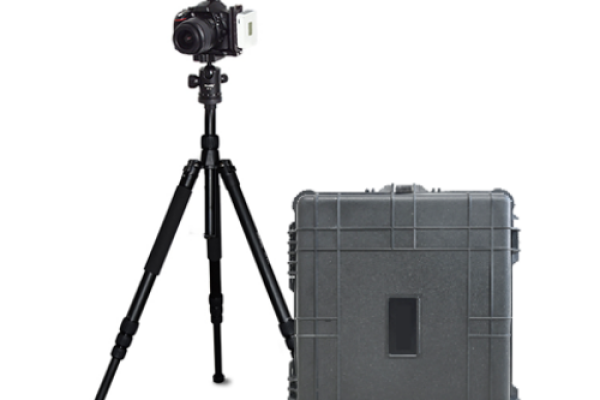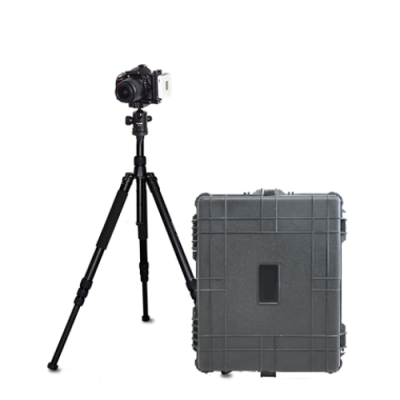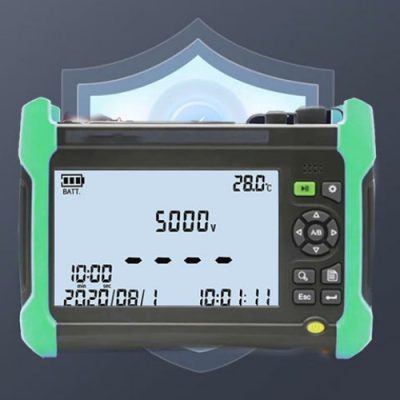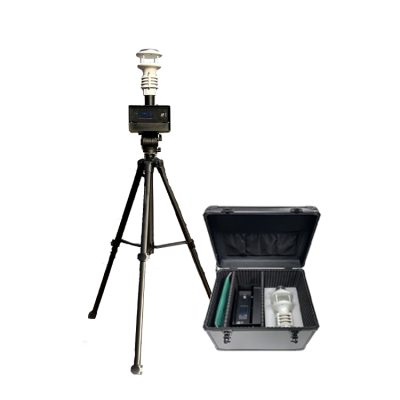


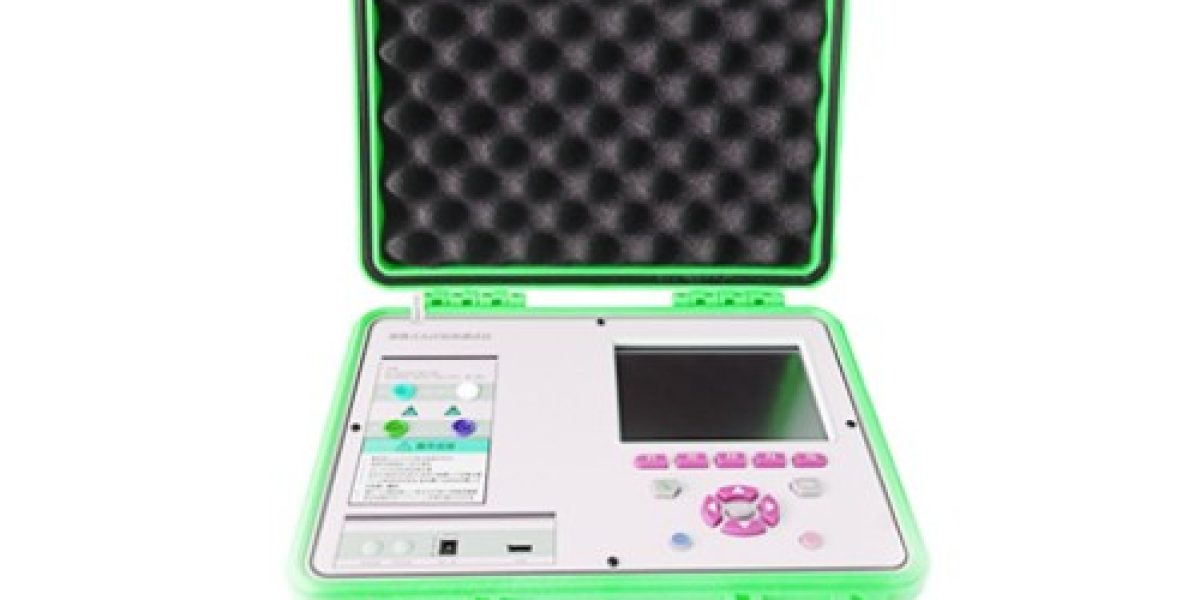
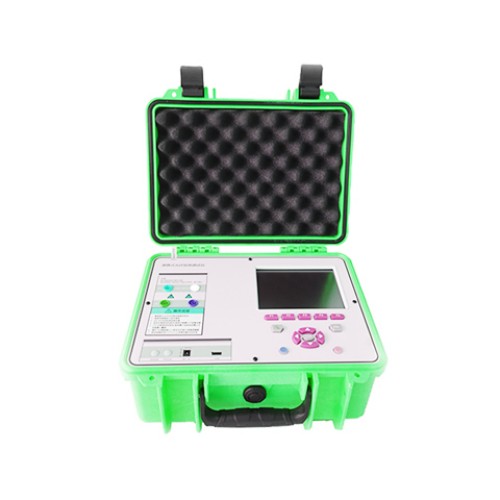
With the continuous expansion of domestic photovoltaic power plant inventory, distributed photovoltaic, mountain photovoltaic, and industrial and commercial rooftop photovoltaic projects are landing everywhere. Issues such as component power attenuation, string mismatch, and diode failure have gradually become key pain points restricting the increase in power generation of power plants. Traditional laboratory fixed IV testing equipment is cumbersome to transport and cannot be deployed in the field. The industry urgently needs lightweight, high-precision portable testing equipment. Jiangsu Jingwei Technology, based on years of technical accumulation in the field of photovoltaic testing, has launched the JW-IV11 portable IV tester. Relying on self-developed dynamic electronic load and intelligent algorithm technology, it fills the gap in photovoltaic on-site power detection and becomes a standard testing equipment for third-party testing institutions, power station operation and maintenance enterprises, and component manufacturers. IV power detector
The core advantages of JW-IV11 are concentrated in two dimensions: measurement accuracy and outdoor adaptability. The equipment supports wide range voltage testing from 0 to 1500V and is compatible with current mainstream 1500V photovoltaic string systems. The voltage measurement accuracy is ± 0.5%, and the current accuracy is controlled within ± 1%. Millisecond level high-speed sampling can capture the complete IV curve of a single component or the entire string within 10 seconds, automatically analyzing more than ten core electrical parameters such as open circuit voltage, short-circuit current, peak power, filling factor, etc. With the built-in intelligent diagnostic model, hidden faults such as power attenuation, hot spot obstruction, series mismatch, bypass diode damage, and virtual wiring can be quickly located, avoiding the hidden dangers of inefficient power generation in power plants from the source. Different from similar products on the market, the instrument is equipped with a barcode scanning recognition module. By scanning the component barcode on site, the detection data and component information can be automatically bound. The detection report can be exported and printed with one click, eliminating the need for manual filing and input in the later stage and greatly reducing data organization time.
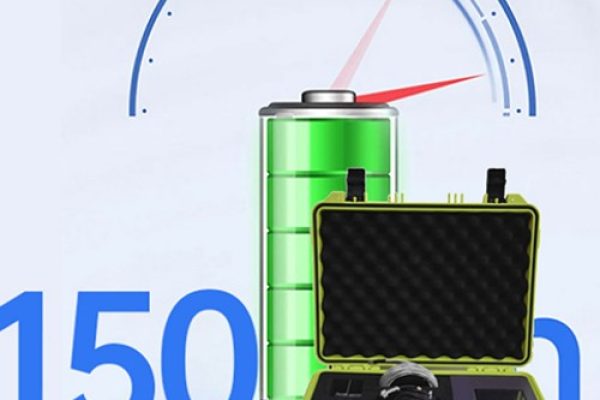
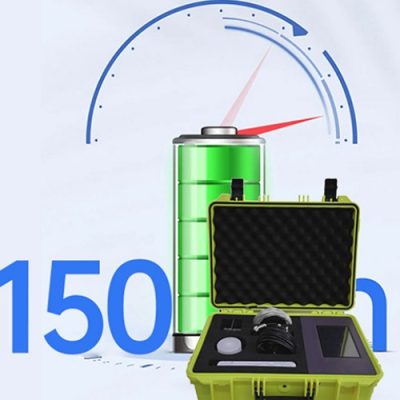
In terms of practicality for field operations, the JW-IV11 adopts an integrated industrial grade body package, with an IP54 dustproof and waterproof body that is suitable for complex field conditions such as high temperature exposure, rainy and dusty weather, and muddy mountains. The high brightness outdoor LCD screen is clear and readable under strong light, without the need for additional shading assistance; The whole machine is equipped with a large capacity lithium battery, which can perform uninterrupted inspection operations for 8 hours when fully charged, meeting the batch testing needs of single day connected power stations. The equipment synchronously integrates component temperature, environmental temperature and humidity, and on-site irradiation acquisition modules. Based on the STC standard conversion algorithm, it automatically converts the on-site measured parameters into standard testing condition data, eliminating data errors caused by lighting and temperature fluctuations, and ensuring horizontal comparability of testing data under different time periods and weather conditions.
From the perspective of the implementation scenario of the entire industry chain, JW-IV11 covers four core scenarios: component factory sampling, power station grid connection acceptance, daily quarterly inspections, and special troubleshooting. Component manufacturing end, used for sampling performance verification of finished products on the production line, screening out defective products with power not meeting standards; During the construction phase of the power station, full inspection of incoming components and performance acceptance of string before grid connection are carried out to avoid the entry of inferior components; In the operation and maintenance process, a series of IV investigations will be carried out for sections with abnormal power generation, accurately identifying inefficient fault clusters and guiding maintenance and replacement; Third party metrology institutions can rely on equipment to issue performance testing reports with reference value, to assist in asset evaluation and insurance loss assessment of photovoltaic projects.
Jiangsu Jingwei is equipped with exclusive PC and mobile data analysis software, which can detect data stored locally and backed up in the cloud. It supports historical data curve tracing, performance comparison of components in the same batch, and long-term monitoring of the annual decay rate of single station components. It provides quantitative data support for optimizing power plant operation and maintenance plans and upgrading technological upgrades. Relying on a comprehensive pre-sales selection, on-site training, and lifelong calibration after-sales service system, JW-IV11 has been widely applied in large-scale ground power stations in Northwest China, distributed rooftop photovoltaics in Jiangsu, Zhejiang, and Shanghai, and mountainous photovoltaic projects in Southwest China. With lightweight and portable design and laboratory level measurement accuracy, it continues to help the domestic photovoltaic industry steadily move towards precision and digital operation and maintenance.
IV power detector, current voltage power curve detector, portable IV tester