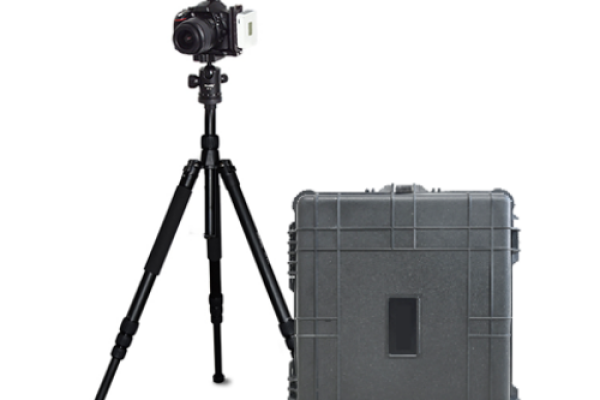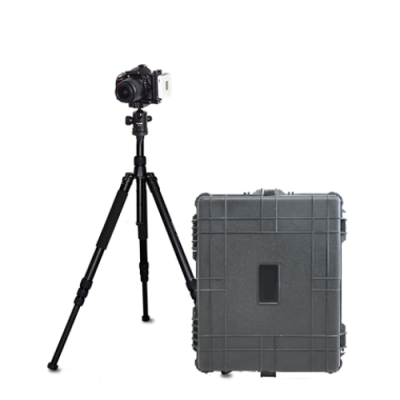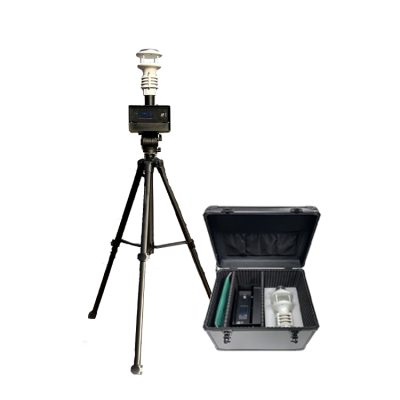


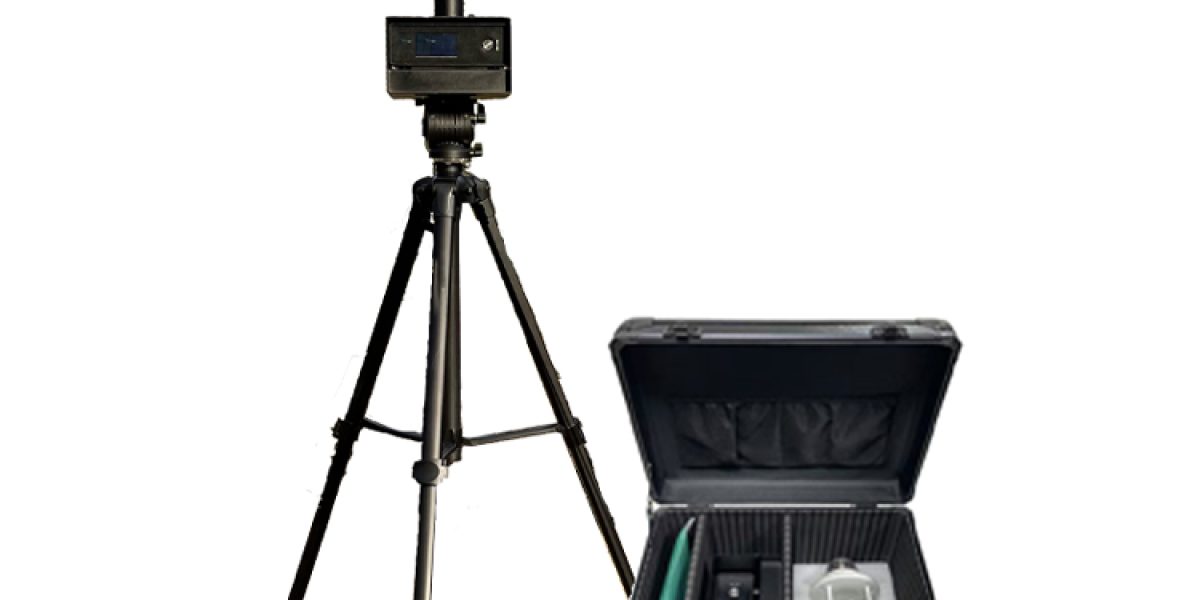
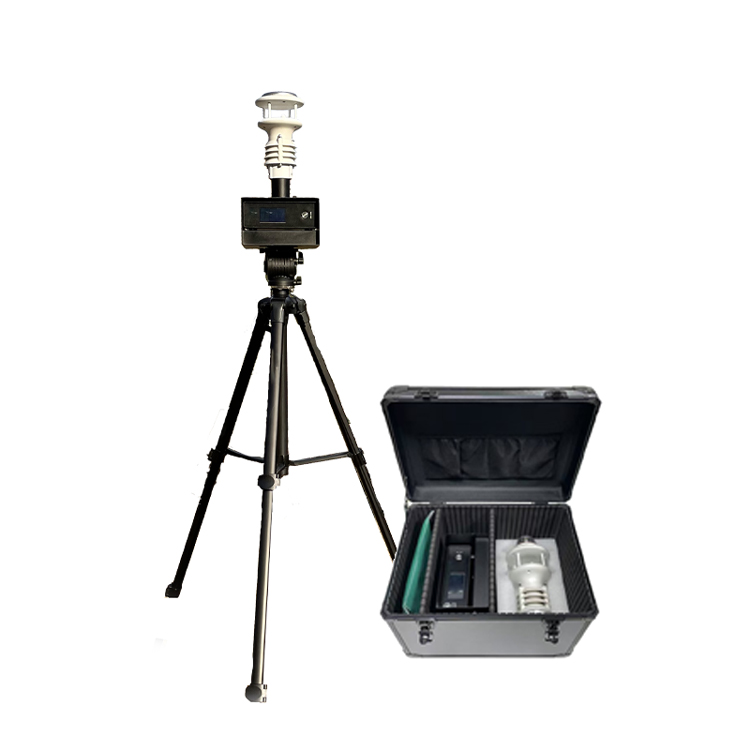
The efficiency of photovoltaic power generation is highly dependent on environmental meteorological conditions. Parameters such as wind speed, temperature and humidity, solar radiation, precipitation, etc. directly affect power prediction, operation and maintenance strategies, and power generation accounting. Traditional simple meteorological stations have incomplete parameters and low accuracy, which cannot meet the IEC61724 grid connected data reporting standards. Jiangsu Jingwei has launched the JW-Q56 photovoltaic integrated meteorological station, which combines the photovoltaic climate characteristics of different regions in China. It integrates more than ten photovoltaic monitoring sensors to achieve 24/7 automated monitoring of the power plant environment, becoming a standard infrastructure for smart photovoltaic power plants. Portable weather station
JW-Q56 integrates core sensing modules according to the monitoring standards for photovoltaic power plants, which can monitor eight basic parameters in real time: environmental temperature, environmental humidity, atmospheric pressure, wind speed and direction, cumulative rainfall, total radiation on the horizontal plane, total radiation on the inclined plane, and temperature of the component backplate. It supports the expansion of optional monitoring items such as ultraviolet radiation, snow thickness, soil temperature and humidity as needed, fully covering all meteorological data required for photovoltaic power generation power calculation, PR accounting, and power plant operation and maintenance optimization; The radiation sensor adopts an A-level thermoelectric core, and the temperature and humidity components meet the WMO Level 2 meteorological standards. The measurement error of all parameters is strictly controlled within the national standard limit. The collected data can be directly used for grid connection filing and power generation evaluation, eliminating the problem of grid connection delay caused by unqualified data. The overall shell of the equipment is made of thickened aluminum alloy and IP66 sealed protection. It has passed high and low temperature aging tests from -40 ℃ to+85 ℃, and is resistant to salt spray corrosion and strong wind impact. Whether it is in the northwest desert wind and sand environment, the southern coastal high humidity and rainy environment, or the plateau low temperature and low pressure scene, it can operate continuously and stably throughout the year.
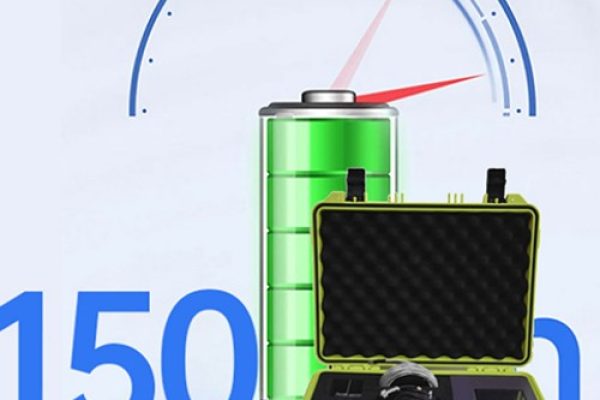
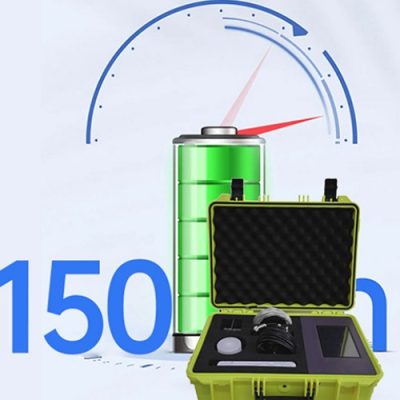
Intelligent data transmission is the core advantage of JW-Q56, with built-in 4G/Beidou dual-mode communication module, data collection in seconds, and scheduled cloud upload. Users can remotely view real-time data and historical curves anytime and anywhere through mobile phones and computer terminals. The system comes with extreme weather warning function, which can push reminders in advance for disaster weather such as strong winds, heavy rainfall, and sudden cooling. Operation and maintenance personnel can strengthen equipment, prevent floods, and reduce equipment damage and power generation loss caused by extreme weather in advance; The whole machine can be equipped with photovoltaic self powered components, and remote mountainous photovoltaic projects without external power sources can rely on solar energy for self power supply, greatly reducing on-site wiring and infrastructure costs. Installation only requires a simple cement base, and a single person can complete the deployment and landing of the entire equipment in half a day.
At present, JW-Q56 has landed more than 100 projects including Qinghai Gobi Large scale Photovoltaic Base, Yunnan Guizhou Mountain Photovoltaic, Jiangsu Zhejiang Distributed Industrial Park Photovoltaic, etc. A hundred megawatt photovoltaic power station in Qinghai Province, relying on the long-term accumulated radiation and temperature data of the meteorological station, optimized the component cleaning cycle and bracket inclination angle, and increased the average annual power generation revenue by 2.8%; Multiple new energy groups have connected their equipment to the smart operation and maintenance platform, relying on massive meteorological data to optimize power prediction algorithms and reduce grid assessment fines. Jiangsu Jingwei can customize sensor addition and removal, communication protocol adaptation according to the project, and is compatible with mainstream domestic photovoltaic monitoring platforms. In the wave of accelerating the transformation of photovoltaic intelligence, refined meteorological monitoring is the key to improving the quality and efficiency of power plants. JW-Q56, with domestically produced high reliability products, continues to help domestic photovoltaic power plants move from extensive management to a new stage of data-driven intelligent operation and maintenance