

With the acceleration of photovoltaic module technology iteration, large-sized silicon wafers and ultra-thin solar cells have become mainstream in the market. Hidden defects such as hidden cracks, broken grids, virtual soldering, and fragments in solar cells have gradually become key pain points restricting the power generation of power plants. These internal defects cannot be identified by the naked eye, and conventional multimeters and IV testers are difficult to troubleshoot. EL electroluminescence imaging detection has become a necessary means of component quality control. In the past, fixed EL equipment in laboratories was unable to operate outdoors due to site and power limitations. Outdoor EL testing has long relied on large vehicle mounted equipment, resulting in high testing costs. Jiangsu Jingwei independently developed the JW-EL2 portable EL detector, relying on high-definition infrared imaging technology and integrated portable structure, breaking the constraints of the site, achieving non-destructive EL testing of factory production lines, warehouse sampling, and in-service components of brackets in all scenarios, and reshaping the operation mode of photovoltaic defect detection. Photovoltaic power station tester
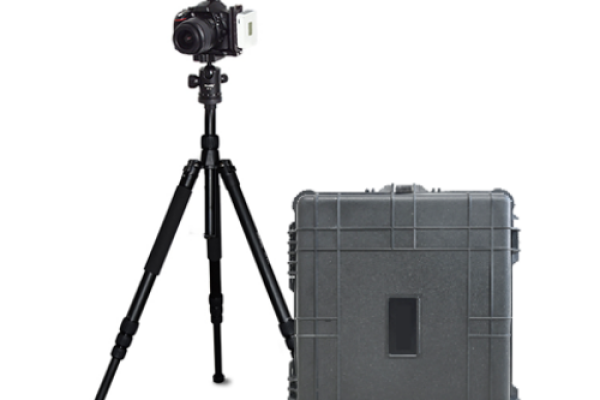
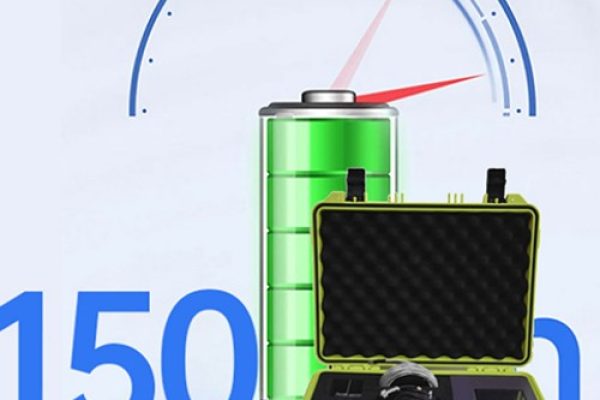
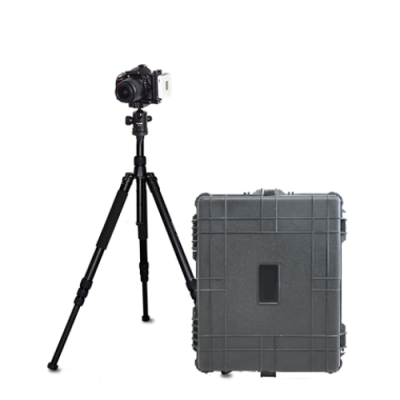
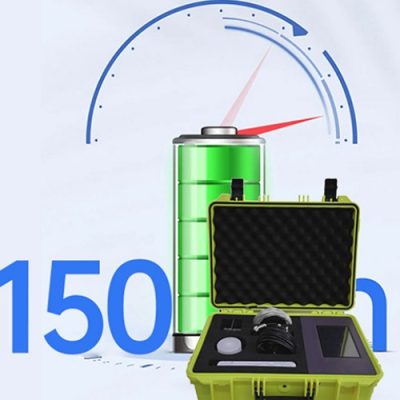
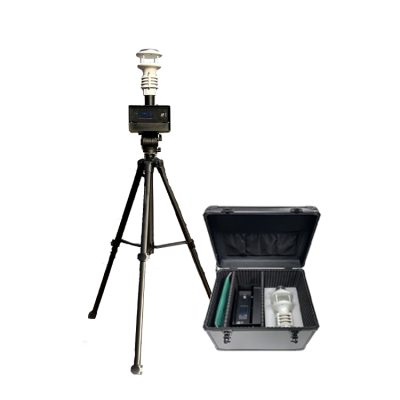
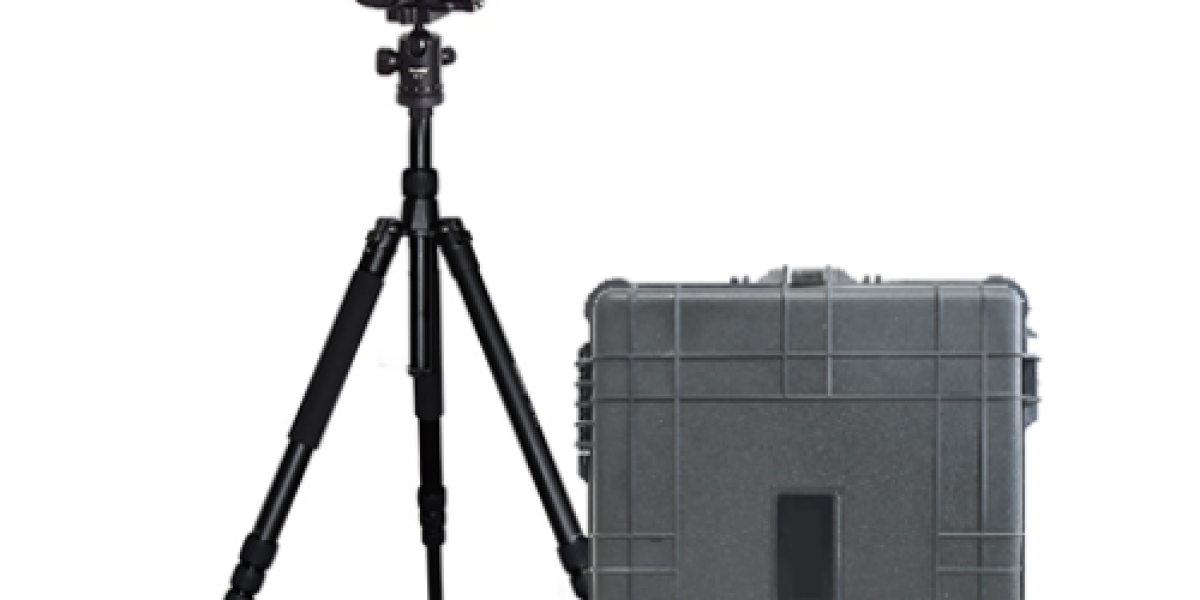
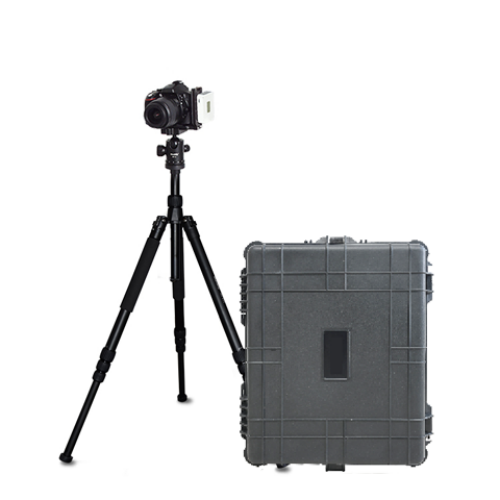
The JW-EL2 core imaging unit is equipped with a 24.76 million pixel industrial grade infrared camera, paired with a full frame autofocus optical module. It can still capture weak electroluminescent signals in low light and low light environments, with clear imaging details and accurate resolution of various internal defects such as micro level hidden cracks, fine grid fractures, sintered black spots, and mixed low efficiency films. The imaging quality is comparable to high-end fixed EL equipment in the laboratory. The device integrates a lightweight programmable constant current power supply, with a built-in large capacity energy storage lithium battery. It can complete outdoor testing all day long without the need for external power supply, eliminating the tedious process of on-site wiring; Equipped with high-strength carbon fiber telescopic tripods, suitable for bracket components at different heights above the ground, multi angle fine-tuning of machine positions to avoid blind spots, a single operation and maintenance personnel can independently complete EL screening of the entire array of components, greatly reducing labor and equipment investment costs.
At the level of intelligent control, JW-EL2 is equipped with a Wi Fi wireless image transmission system, and the EL imaging captured is synchronized in real time to the supporting tablet terminal. Operators can view the imaging and mark the location of defects away from the high-voltage wiring area, avoiding the safety hazards of electric shock during live detection; The device is equipped with an intelligent image recognition algorithm that can automatically compare the luminous reference maps of components from the same batch, highlight abnormal dark areas and defect points, and assist technicians in quickly determining the cause of faults, distinguishing between production process defects, transportation collision damage, and operational hot spot attenuation. The whole machine is stored in a three proof and earthquake resistant suitcase, which is dustproof, waterproof, and anti-collision. It is suitable for harsh outdoor conditions such as desert sand and dust, coastal high humidity, and plateau low temperature. The protection level is IP54, and the wide temperature working range covers -20 ℃~+60 ℃. Most photovoltaic projects in China can operate stably on site.
Since the implementation of the product, JW-EL2 has served dozens of leading component manufacturing enterprises and hundreds of photovoltaic operation and maintenance companies in China, conducting full inspection of components upon factory delivery, sampling inspection upon project arrival and storage, full array inspection before grid connection, and annual hidden danger survey for power plant operation and maintenance. A 50MW ground mounted photovoltaic power station in northwest China used this equipment to complete a full range of EL inspections for all components. In just 7 days, all array defect screenings were completed, and more than 320 hidden and failed components were accurately located. After timely replacement, the overall power generation of the power station increased by 3.2%, which intuitively reflects the practical value of the equipment. Jiangsu Jingwei continues to optimize equipment software, regularly pushes algorithm upgrade packages, expands TOPCon and HJT new battery module special imaging optimization solutions, relies on the advantages of high cost-effectiveness in localization, lowers the entry threshold for EL testing for small and medium-sized photovoltaic enterprises, helps the photovoltaic industry shift from extensive operation and maintenance to refined defect control, and safeguards the long-term preservation of photovoltaic assets
Photovoltaic power station tester, photovoltaic panel hidden crack rapid detection instrument, solar cell testing equipment