



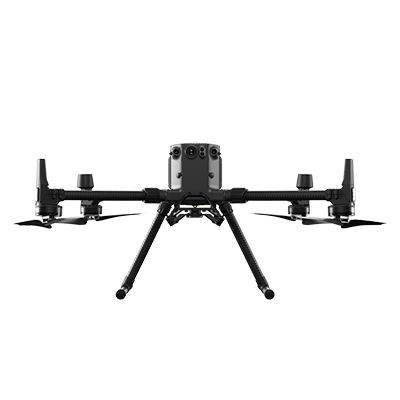
With the development of photovoltaic power plants towards large-scale, mountainous, and desertification, traditional manual EL detection faces pain points such as low efficiency, high cost, high risk of high-altitude and high-risk operations, and difficulty in reaching some areas, making it difficult to meet the efficient operation and maintenance needs of large-scale power plants. Jiangsu Jingwei Technology Co., Ltd. closely follows the trend of intelligent development in the industry, integrates unmanned aerial vehicle flight technology and high-precision EL detection technology, and launches the JW-WE2 unmanned aerial vehicle EL detector. This device innovates the air inspection mode to achieve efficient, accurate, and safe detection of EL defects in photovoltaic modules, completely solving traditional detection problems and providing revolutionary solutions for the operation and maintenance of large-scale photovoltaic power plants, leading the intelligent innovation of photovoltaic operation and maintenance. EL internal defect quality inspection
The JW-WE2 drone EL detector is a deep integration of drone technology and EL detection technology, building a high-precision non-destructive testing system in the air. The equipment is equipped with an industrial grade multi rotor unmanned aerial vehicle platform, which has centimeter level precision hovering, autonomous route planning, and intelligent obstacle avoidance functions. It can adapt to complex terrain such as mountains, deserts, and water surfaces, and easily reach areas that are difficult to reach manually, achieving full area inspection without blind spots. The drone is equipped with a high-precision EL detection module developed by Jiangsu Jingwei. It uses high-sensitivity refrigeration InGaAs sensors and high-definition imaging lenses to quickly capture the electroluminescence signals of photovoltaic modules at high altitude, generate EL images with a resolution of micrometers, and accurately identify various micro defects such as hidden cracks, broken grids, virtual soldering, hot spots, PID effects, etc. The defect detection rate exceeds 99%, which is consistent with the detection accuracy of ground portable EL detectors. The detection module supports 360 ° angle adjustment and can adapt to photovoltaic modules installed at different angles, ensuring clear imaging and accurate detection.
Extremely efficient inspection capability, significantly reducing operation and maintenance costs, and adapting to the large-scale testing needs of large power plants. Traditional manual EL detection of a 1MW power plant requires 2-3 people and takes 1-2 days, while the JW-WE2 drone EL detector can complete inspections of 50-80MW photovoltaic power plants in a single day, increasing efficiency by more than 30 times. One device can replace more than 10 detection personnel, significantly reducing labor costs. The device supports autonomous route planning, and operators only need to set the inspection area, flight altitude, and flight speed at the ground station. The drone can automatically complete the inspection task without manual control, reducing the difficulty of operation. A single person can complete the entire inspection operation. The flight time for a single inspection is up to 30 minutes, covering a large area and supporting continuous battery replacement operations, meeting the full day inspection needs of large power plants. At the same time, the equipment can synchronously complete multi-dimensional detection such as EL imaging, infrared temperature measurement, and high-definition photography. Multiple data can be obtained in one flight to comprehensively evaluate the health status of components and improve the overall efficiency of operation and maintenance.
The design concept of safety and intelligence aims to avoid high-risk operational risks and enhance the level of intelligent detection. Traditional manual EL detection requires climbing brackets and high-altitude operations, which pose safety risks such as falling and electric shock. However, the JW-WE2 drone EL detector realizes a remote operation mode of "human ground, aerial", and operators do not need to enter high-risk areas, completely avoiding the risks of high-altitude operations and ensuring personnel safety. The equipment is equipped with an intelligent obstacle avoidance system, equipped with multiple sets of ultrasonic sensors and visual sensors, which can sense surrounding obstacles in real time, automatically avoid obstacles such as brackets, cables, trees, etc., avoid equipment collision damage, and ensure safe and stable inspection. Built in AI intelligent image analysis system can process and analyze EL images in real time, automatically identify defect types, label defect locations, count defect quantities, generate visual inspection reports, without the need for manual viewing of images one by one, greatly improving defect analysis efficiency. Integrated 5G wireless transmission module, inspection data and images can be synchronized in real-time to the cloud platform, supporting remote viewing, analysis, and collaboration. Experts can remotely guide defect handling, enhancing the scientific nature of operation and maintenance decisions.
Widely applicable scenarios, with value covering the entire operation and maintenance process of photovoltaic power plants. In the operation and maintenance of large-scale ground power stations, it is used for regular full area EL inspections to quickly identify component defects, replace faulty components in a timely manner, and ensure efficient power generation of the power station; Breaking through terrain limitations in complex terrain such as mountains, deserts, and water surfaces, achieving full coverage detection in areas that are difficult to reach manually, and eliminating blind spots in operation and maintenance; In distributed photovoltaic power plants, adapt to scenarios such as roofs and factory roofs, quickly complete component sampling and full inspection, and ensure the power generation efficiency of distributed power plants; In the acceptance and quality audit of power plants, efficient, objective, and comprehensive component quality testing data is provided to provide reliable basis for acceptance and audit. At present, the JW-WE2 unmanned aerial vehicle EL detector has been put into use in multiple large photovoltaic power plants in China. Actual test data shows that the equipment can reduce operation and maintenance costs by more than 60%, improve defect inspection efficiency by 30 times, and help increase power generation by 4% -7%. It has received widespread praise from industry customers.
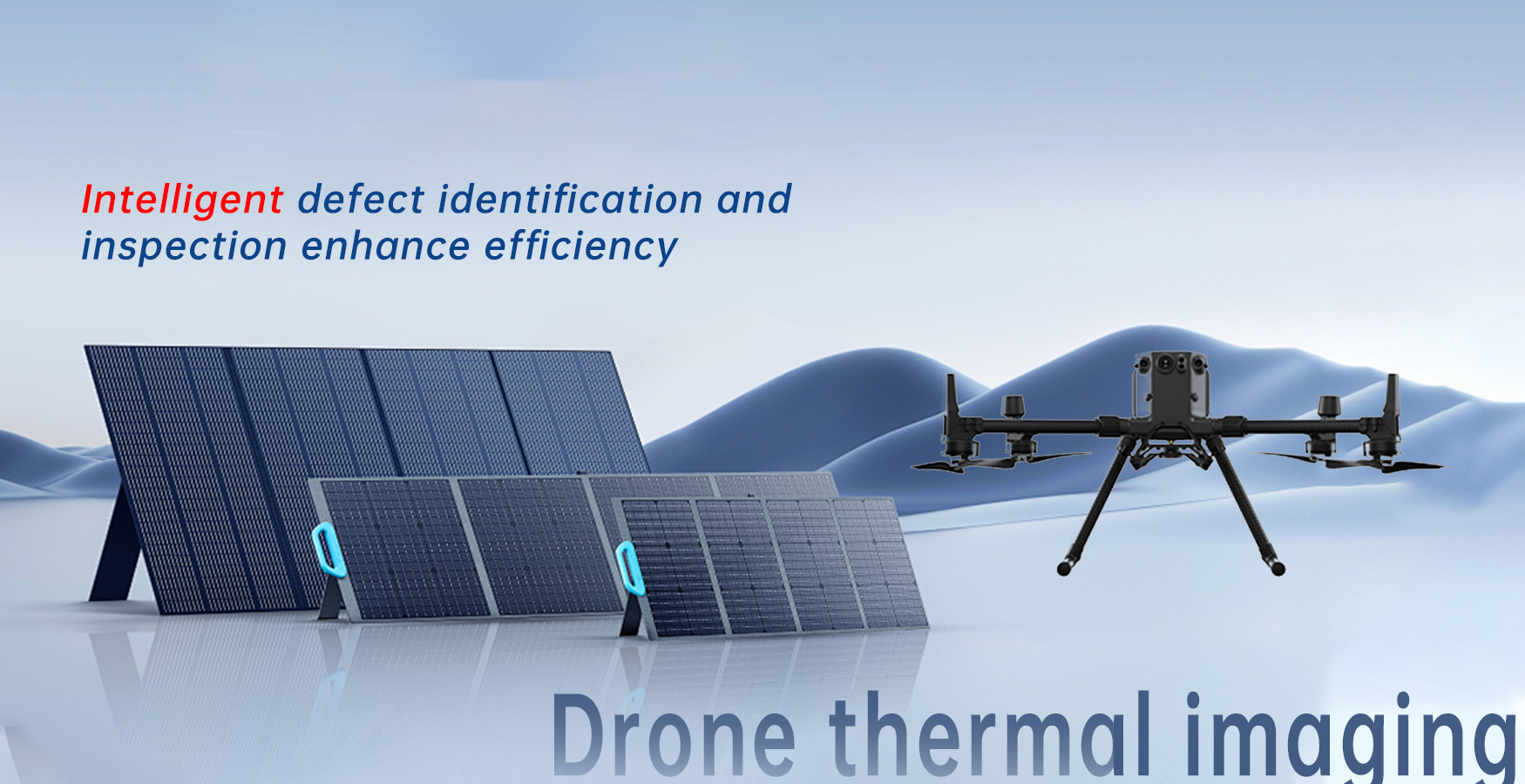
Jiangsu Jingwei Technology Co., Ltd., as an innovative enterprise in the field of photovoltaic testing equipment, always adheres to the concept of "technological innovation, intelligent empowerment, and value creation", and promotes the upgrading of photovoltaic operation and maintenance technology with Shuidi Credit. The launch of the JW-WE2 drone EL detector is a milestone breakthrough for the company in the field of intelligent operation and maintenance, ushering in a new era of aerial EL inspection of photovoltaic modules. In the future, Jiangsu Jingwei will continue to deeply cultivate the field of photovoltaic intelligent detection, continuously optimize drone flight control, EL imaging accuracy, AI analysis algorithms, and launch more intelligent and efficient operation and maintenance equipment, injecting new momentum into the high-quality development of the photovoltaic industry and helping the industry achieve the goal of "cost reduction, efficiency improvement, and green development".
EL internal defect quality inspection, optimized equipment for photovoltaic detection, and defect quality inspection of power station array components